
- Ozempic
- Mounjaro
- Wegovy
- Semaglutide
- Retinol
- Finasteride
- Metformin
- Wellbutrin
- Melatonin
- Ashwagandha
- Lexapro
- Sertraline
- Creatine
- Prozac
- Fluoxetine
- Pregabalin
- Spironolactone
- Amlodipine
- Trazodone
- Akathisia
- Steroids
- Prednisone
- Doxycycline
- Tramadol
- Lisinopril
- Losartan
- Amoxicillin
- Androgenic
- Azithromycin
- Zoloft
- Statin
- Atorvastatin
- Acetylcysteine
- Adderall
- Alprazolam
- Amitriptyline
- Augmentin
- Cetirizine
- Cipro
- Clonazepam
- Clotrimazole
- Diazepam
- Fentanyl
- Gabapentin
- Hydroxyzine
- Ibuprofen
- Ivermectin
- Lorazepam
- Magnesium
- Meloxicam
- Metoprolol
- Metronidazole
- Mirtazapine
- Naproxen
- Omega 3
- Omeprazole
- Ondansetron
- Paracetamol
- Propranolol
- Quetiapine
- Sildenafil
- Tamsulosin
- Tirzepatide
- Tylenol
- Viagra
- Vitamin B12
- Vitamin C
- Vitamin D
- Xanax
- Acetaminophen
- Acyclovir
- Advil
- Albendazole
- Albuterol
- Alendronate
- Alfuzosin
- Allopurinol
- Amantadine
- Ambien
- Ambroxol
- Amiodarone
- Ampicillin
- Anastrozole
- Apixaban
- Aripiprazole
- Ascorbic Acid
- Aspirin
- Atarax
- Atenolol
- Ativan
- Atomoxetine
- Azelastine
- Bacitracin
- Baclofen
- Bactrim
- Bactroban
- Benadryl
- Bentyl
- Benzonatate
- Benztropine
- Betadine
- Betamethasone
- Biktarvy
- Biotin
- Bisacodyl
- Bisoprolol
- Botox
- Brilinta
- Budesonide
- Glycopyrrolate
- Bumetanide
- Buprenorphine
- Bupropion
- Buspar
- Buspirone
- Calcitriol
- Candesartan
- Captopril
- Carbamazepine
- Carvedilol
- Cefdinir
- Cefixime
- Ceftriaxone
- Cefuroxime
- Celebrex
- Celexa
- Cephalexin
- Chlorpheniramine
- Chlorthalidone
- Cholecalciferol
- Cialis
- Cilostazol
- Citalopram
- Claritin
- Clindamycin
- Clobetasol
- Clonidine
- Clopidogrel
- Clozapine
- Codeine
- Colace
- Colchicine
- Concerta
- Cosentyx
- Crestor
- Cyanocobalamin
- Cyclobenzaprine
- Cymbalta
- Dabigatran
- Dapagliflozin
- Decadron
- Denosumab
- Depakote
- Desloratadine
- Desvenlafaxine
- Dexamethasone
- Dexilant
- Dextroamphetamine
- Dextromethorphan
- Dextrose
- Dicyclomine
- Diflucan
- Digoxin
- Dilaudid
- Diltiazem
- Diphenhydramine
- Divalproex
- Docusate Sodium
- Domperidone
- Donepezil
- Dopamine
- Doxazosin
- Doxepin
- Doxycycline Hyclate
- Doxylamine
- Dulcolax
- Duloxetine
- Dupixent
- Dutasteride
- Echinacea
- Effexor
- Eliquis
- Empagliflozin
- Enalapril
- Epinephrine
- Epipen
- Erythromycin
- Escitalopram
- Esomeprazole
- Estradiol
- Euthyrox
- Excedrin
- Ezetimibe
- Famotidine
- Farxiga
- Febuxostat
- Fenofibrate
- Ferrous Sulfate
- Fexofenadine
- Fish Oil
- Flagyl
- Flecainide
- Flexeril
- Flomax
- Flonase
- Fluticasone
- Fluvoxamine
- Folic Acid
- Formoterol
- Fosamax
- Fosfomycin
- Furosemide
- Gardasil 9
- Garlic
- Gas X
- Gaviscon
- Gentamicin
- Ginkgo Biloba
- Ginseng
- Glimepiride
- Glipizide
- Glucagon
- Glucophage
- Glucosamine
- Glutathione
- Glycerin
- Griseofulvin
- Guaifenesin
- Guanfacine
- Haldol
- Haloperidol
- Heparin
- Hibiclens
- Humira
- Hydralazine
- Hydrea
- Hydrochlorothiazide
- Hydrocodone
- Hydrocortisone
- Hydromorphone
- Hydroxyurea
- Hyoscyamine
- Imiquimod
- Imodium
- Indapamide
- Inderal
- Indomethacin
- Infliximab
- Irbesartan
- Isosorbide
- Isosorbide Mononitrate
- Isotretinoin
- Itraconazole
- Ivabradine
- Janumet
- Januvia
- Japanese Knotweed
- Jardiance
- Kava
- Keflex
- Kenalog
- Keppra
- Ketoconazole
- Ketoconazole Shampoo
- Ketoprofen
- Ketorolac
- Keytruda
- Klonopin
- Labetalol
- Lacosamide
- Lactulose
- Lamictal
- Lamotrigine
- Lansoprazole
- Lantus
- Lasix
- Latanoprost
- Latuda
- Leflunomide
- Letrozole
- Levetiracetam
- Levocetirizine
- Levofloxacin
- Levothyroxine
- Lidocaine
- Linezolid
- Linzess
- Lipitor
- Liraglutide
- Lisdexamfetamine
- Lithium
- Lokelma
- Lomotil
- Loperamide
- Loratadine
- Lovenox
- Lyrica
- Macrobid
- Magnesium Citrate
- Magnesium Oxide
- Meclizine
- Medrol
- Mefenamic Acid
- Memantine
- Meropenem
- Metamucil
- Methadone
- Methimazole
- Methocarbamol
- Methotrexate
- Methylphenidate
- Methylprednisolone
- Metoclopramide
- Metoprolol Succinate
- Midazolam
- Midodrine
- Mirabegron
- Miralax
- Mobic
- Modafinil
- Montelukast
- Morphine
- Motrin
- Moxifloxacin
- Mucinex
- Mupirocin
- Nac
- Naloxone
- Naltrexone
- Narcan
- Nebivolol
- Neomycin
- Neosporin
- Neurontin
- Nexium
- Nexplanon
- Niacin
- Nifedipine
- Nitrofurantoin
- Nitroglycerin
- Norco
- Norepinephrine
- Norethindrone
- Nortriptyline
- Norvasc
- Octreotide
- Ofloxacin
- Olanzapine
- Olmesartan
- Orlistat
- Oseltamivir
- Oxazepam
- Oxcarbazepine
- Oxybutynin
- Oxycodone
- Oxycontin
- Oxygen
- Paroxetine
- Paxil
- Paxlovid
- Pepcid
- Percocet
- Phenazopyridine
- Phenergan
- Phenobarbital
- Phentermine
- Phenylephrine
- Phenytoin
- Pioglitazone
- Plan B
- Plaquenil
- Plavix
- Potassium Chloride
- Pradaxa
- Pravastatin
- Prazosin
- Prednisolone
- Prilosec
- Pristiq
- Prochlorperazine
- Progesterone
- Prolia
- Promethazine
- Propofol
- Protonix
- Pseudoephedrine
- Psyllium
- Pyridium
- Quercetin
- Quinine
- Rabeprazole
- Ramipril
- Ranitidine
- Ranolazine
- Reglan
- Remeron
- Repatha
- Rexulti
- Rifaximin
- Rinvoq
- Risperdal
- Risperidone
- Ritalin
- Rituximab
- Rivaroxaban
- Rizatriptan
- Robaxin
- Rocephin
- Rosuvastatin
- Rybelsus
- Salbutamol
- Scopolamine
- Senna
- Senokot
- Seroquel
- Simvastatin
- Singulair
- Sitagliptin
- Skyrizi
- Sodium Bicarbonate
- Sodium Chloride
- Solifenacin
- Soma
- Sotalol
- Spiriva
- Strattera
- Suboxone
- Sucralfate
- Sudafed
- Sulfasalazine
- Sumatriptan
- Symbicort
- Synthroid
- Tacrolimus
- Tadalafil
- Tamiflu
- Tamoxifen
- Tegretol
- Telmisartan
- Temazepam
- Tetracycline
- Thiamine
- Ticagrelor
- Tizanidine
- Topamax
- Topiramate
- Toradol
- Torsemide
- Tranexamic Acid
- Tremfya
- Tresiba
- Tretinoin
- Triamcinolone
- Triamcinolone Acetonide
- Trileptal
- Trimethoprim
- Trintellix
- Trulicity
- Ubrelvy
- Ultracet
- Unisom
- Urea
- Urea Cream
- Urso
- Ursodiol
- Valacyclovir
- Valium
- Valsartan
- Valtrex
- Vancomycin
- Varenicline
- Venlafaxine
- Ventolin
- Veozah
- Verapamil
- Vicodin
- Victoza
- Vistaril
- Vitamin B6
- Vitamin D3
- Vitamin E
- Vraylar
- Vyvanse
- Warfarin
- Witch Hazel
- Wormwood
- Xarelto
- Xenical
- Xifaxan
- Xolair
- Xylitol
- Xyzal
- Yarrow
- Yasmin
- Yaz
- Yellow Fever Vaccine
- Zantac
- Zepbound
- Zetia
- Zinc
- Zithromax
- Zofran
- Zoladex
- Zolpidem
- Zopiclone
- Zovirax
- Zyprexa
- Zyrtec
- Hydroxytryptophan
- Serious
- Other
Akathisia Side Effects


In this video, author and depression counselor Douglas Bloch talks about akathisia--an intense inner restlessness brought on as a side effect of medication. Symptoms include anxiety, agitation, and a compulsion to move or to walk about. He also shows you how you can take the medication in a way that greatly reduces the risk of akathisia.
To visit my personal website which contains links to all of my books, websites, and newsletters, go to https://douglasbloch.com
To visit my depression recovery website, go to https://healingfromdepression.com
To visit my website on suicide prevention, go to https://www.overcomingsuicidalpain.com
To contribute to this channel so that its healing information can reach more people, visit https://patreon.com/douglasbloch
To sign up for a free newsletter that provides valuable e-tips for healing from depression, click here: https://forms.aweber.com/form/75/2116152175.htm
Music: Somatou by Kakurenbo courtesy of http://freemusicarchive.org/music/Kak... through a Creative Commons License.
Category
Education
License
Standard YouTube License


Come visit us at:
https://www.wittdoerringpsychiatry.com/
Please consider "liking" and subscribing to this content. It helps build awareness.
CONTENT DISCLAIMER: All of the information on this channel is for educational or entertainment purposes and not intended to be specific/personal medical advice from me to you. Watching the videos or getting answers to comments/question, does not establish a doctor-patient relationship. If you have your own doctor, perhaps these videos can help prepare you for your discussion with your doctor.
COMMENTS POLICY: We’re doing our best to help spread awareness with these videos, but for legal reasons we can’t answer health questions in the comments. So if you leave a questions we’ll try to make videos about common questions in the future! If we catch incorrect health information, hate speech, illegal solicitation of drugs in the comments we will remove those comments.
WANT AN INTERVIEW?
We are always looking for unique stories of people who experience adverse reactions to psych meds to interview here on YouTube and on our Podcast. If this is you, please email me at [email protected] and tell me what makes your story unique.
#benzodiazepines
#benzodiazepinewithdrawal #tapering


Akathisia is a movement disorder with psychomotor restlessness caused by antipsychotics like clozapine, haloperidol and chlorpromazine.
It involves an urge to move, inability to sit, pacing, rocking and involuntary movements. It is one of the extrapyramidal side effects produced by neuroleptics. However, it is also observed with antidepressants like fluoxetine and paroxetine. A low dose mirtazapine can be used to treat akathisia. Benzodiazepines, betablockers like propranolol and anticholinergics like benztropine are also used.
Join this channel to get access to perks:
https://www.youtube.com/channe....l/UCH-06vejHsRuOoG1O


Cathy discusses antipsychotic medications used in the treatment of schizophrenia, including first generation (typical) and second generation (atypical) antipsychotics. She covers the side effects and nursing care for each medication class. Cathy also provides a more in-depth discussion of two important antipsychotic side effects: extrapyramidal symptoms and neuroleptic malignant syndrome. At the end of the video, she provides a quiz to test your knowledge of key points she covered in the video.
Cathy Parkes BSN, RN, CWCN, PHN covers Psychiatric Therapies: Medications for Schizophrenia. The Psychiatric Mental Health Therapies video tutorial series is intended to help RN and PN nursing students study for your nursing school exams, including the ATI, HESI and NCLEX.
#NCLEX #MentalHealth #schizophrenia #HESI #Kaplan #ATI #NursingSchool #NursingStudent #Nurse #RN #PN #Education #LPN #flashcards #NurseEducator
00:00 What to expect - Medications for Schizophrenia
00:35 First Generation (Typical) Antipsychotics
1:50 Extrapyramidal Symptoms
2:52 Neuroleptic Malignant Syndrome
3:42 Second Generation (Atypical) Antipsychotics
5:56 Quiz Time!
🚨Head over to our interactive study guide and index ANYTIME and find out exactly which card we’re referencing. https://bit.ly/PMHIndex
🎉 Want to breeze through nursing school and ace the NCLEX? 🩺 With our Comprehensive Nursing Collection, you'll get EVERYTHING you need to succeed, plus some amazing perks! 🎁 Right now, when you grab the collection, you'll score a FREE Nursing Planner, a whole YEAR of Level Up RN Membership, AND Flashables - NCLEX Edition (our signature flashcard content in an on-the-go digital format with guided, personalized learning and progress tracking!) 🤩 That's over $345 in savings—the ultimate deal to set you up for success from day one to NCLEX triumph! 🌟 🔗 Don’t wait—claim your bundle today and start leveling up! https://bit.ly/VeryMindful
🚪 Access our Cram Courses, Quizzes and Videos all in one ad free space with Level Up RN Membership https://bit.ly/LevelUpRNMembership
Want more ways to MASTER PSYCHIATRIC MENTAL HEALTH? Check out our flashcards, review games, videos, tips & more!
👇👇👇👇👇👇👇👇👇👇
👉 https://bit.ly/ALLPMH 👈
☝️👆☝️👆☝️👆☝️👆☝️👆
This is your one-stop-shop for materials to help you LEARN & REVIEW so you can PASS Nursing School.
🤔🤔🤔 DO YOU WANT TO PASS your classes, proctored exams and the NCLEX? 🤔🤔🤔 Our resources are the best you can buy. They are built with a single goal: help you pass with no fluff. Everything you need, and nothing you don’t. Don’t take our word for it, though! Check out our hundreds of ⭐️⭐️⭐️⭐️⭐️ reviews from nurses who passed their exams and the NCLEX with Level Up RN.
🗂️ Our Ultimate Nursing School Survival kit is your number 1 resource to get through nursing school and to pass the NCLEX. Whether you're just starting school or you’re already prepping for the NCLEX, this bundle of flashcards is the best you can buy. It covers all the information you need to know to pass all your exams and it has FREE shipping!
➡️ https://bit.ly/TUNSSK ⬅️
L👀king for EVEN MORE resources to survive Nursing School? Make your Nursing School experience your own! Life’s difficult enough—learning shouldn’t be.
🪅 Games https://nursesquad.com
💻 Digital resources https://bit.ly/NursingStudyCourses
📅 Organizational tools https://bit.ly/OrganizingSchool
✨Want perks? Join our channel!
https://youtube.com/leveluprn/join
🏷 Head to https://leveluprn.com/specials for all our latest deals!🥳️
📧 LOOKING FOR FREE RESOURCES TO HELP WITH YOUR EXAMS? Get exclusive tips, latest video releases and more delivered to your email!
➡️ https://leveluprn.com/signup ⬅️
⚕ 👩 LEVEL UP NURSE SQUAD 👩⚕️
All of the nurses at Level Up RN are here to help! Cathy Parkes started helping her fellow classmates back when she was in nursing school, tutoring so they could pass their exams and graduate. After she got her BSN and started working as an RN at Scripps Encinitas Hospital, she started this YouTube channel to help nursing students around the world. Since then she has built a team of top-notch dedicated nurses and nurse educators who are focused on improving nursing education and supporting career advancement for nurses everywhere. With flashcards, videos, courses, organizational tools and more, we are singularly focused on helping students and nurses Level Up on their exams and nursing careers.


In this episode of the podcast, we discuss akathisia, the horrible and all too common side effect of psychiatric medications. Subsequently, we go through definitions, history, mechanism, how to rate it, and treatment.
There are no conflicts of interest for this episode.
Link to Full Blog: https://www.psychiatrypodcast.....com/psychiatry-psych
By listening to this episode, you can earn 1.25 Psychiatry CME Credits: https://www.psychiatrypodcast.com/cme-program
Check out my Microexpression Training Program to increase empathy in your daily interactions and with your clients: https://emotionconnection.com/


Extrapyramidal Symptoms (EPS)
Tutorial Video: https://youtu.be/I7pNzxu31Ok
www.CanadaQBank.com
#MCCQE #USMLE #AMCCAT #SMLE #PLAB #PEBCEE #RCSFE
CanadaQBank.com is an online test preparation service for the medical licensing exams of Australia (AMC CAT), Canada (MCCQE), Saudi Arabia (SMLE), United Kingdom (PLAB) and the United States (USMLE).
In addition, CanadaQBank offers Android, iOS and Windows mobile applications which allow medical students and physicians to practice the questions and cases on their phones and tablets and study anywhere.
Over 70,000 medical students and physicians from 185 countries have subscribed to CanadaQBank.com and studied with our QBanks to prepare for the AMC CAT, MCCQE, PLAB, SMLE and the USMLE.
Read our 700 verified Testimonials: https://canadaqbank.com/testimonials.php
Subscribe to our YouTube channel and view over 400 Instructional Tutorial Videos about high yield topics tested on the AMC CAT (Australia), MCCQE (Canada), PLAB(United Kingdom), SMLE (Saudi Arabia), USMLE (United States).
Our YouTube channel is here: www.youtube.com/canadaqbank
How to work as a Physician in Australia, Canada, Saudi Arabia, UK, USA:
https://www.canadaqbank.com/physicians.pdf

http://missd.co/ ► Akathisia is a drug-induced disorder that can cause severe inner and outer restlessness, suicidal thoughts, violent behaviors, and/or suicide. Many different types of drug classes can cause akathisia including prescription drugs commonly marketed for depression--selective serotonin reuptake inhibitors, (SSRIs). Other types of drugs that can cause akathisia include, but are not limited to, drugs prescribed for high blood pressure, acne, asthma, malaria, and infections (antibiotics).
Please see and share this animated educational video that addresses:
What is akathisia?
What causes akathisia?
What can you do if you or a loved one experiences this life-threatening disorder?
Nobody is immune to akathisia. But by increasing awareness of akathisia, sufferers can get help before it's too late. Together, we can save lives.
About MISSD
(The Medication-Induced Suicide Prevention and Education Foundation in Memory of Stewart Dolin) is a unique non-profit organization dedicated to honoring the memory of Stewart and other victims of akathisia by raising awareness and educating the public about the dangers of akathisia. MISSD aims to ensure that people suffering from akathisia's symptoms are accurately diagnosed so that needless deaths are prevented. A website, the creation of educational materials, and support of conferences such as Selling Sickness, will help to raise awareness and knowledge of akathisia and medication-induced suicides. Again, we feel it's important to note that we are not anti-drug, and recognize that prescription drugs can be positive and life-saving for many individuals. We are for truth in disclosure, honesty in reporting, and legitimate drug trials.
Get Social with MISSD
Facebook ► https://www.facebook.com/missd.co
Twitter ► https://twitter.com/MISSDFoundation


Akathisia is usually a side effect of antipsychotic drugs. It is a movement disorder that makes it hard to stay still, and causes an urge to move that you can’t control.
I have experienced akathisia quite a number of times and it is truly dreadful. The way I describe it is by equating it somewhat to the feeling you get if you’ve drank way too much coffee. A friend of mine calls this sensation the feeling of “doom” and that absolutely is what akathisia feels like - doom.
Basically what it can feel like is an inner restlessness that makes you want to just jump out of your skin. You may need to fidget all the time, walk around, or do things like crossing and uncrossing your legs.
In this video, I go over symptoms, causes, types, treatments, and prognosis' for akathisia.
JOIN OUR ONLINE PEER SUPPORT COMMUNITY
Join a welcoming community of your peers and find comfort in sharing your experiences. By joining our community, you can benefit from the support of others who understand what you’re going through. We offer live weekly facilitated video peer support groups and text channels to communicate about a wide range of topics. Join today and start feeling less alone with what you’re going through.
• Schizophrenia Peer Support Community: https://www.schizophreniapeersupport.com
• General Mental Illness Peer Support Community: https://www.onlinepeersupport.com
HELP SUPPORT THE CHANNEL
We depend on the support of our audience to create this valuable resource. If you have found our content helpful, please consider supporting us today. Your contribution can make a huge difference and enable us to continue providing valuable resources to those living with mental illness.
• One-time donation: https://donate.stripe.com/9AQ6oV5S0eft5568ww
• Monthly donation: https://www.patreon.com/living....wellwithschizophreni
MENTAL HEALTH APPAREL
Wear your support for mental health! Our t-shirts, sweaters, and mugs not only spread awareness but also help support this channel. Pick up some mental health apparel today and make a statement while making a difference.
https://livingwell.myspreadshop.com/
SPEAKING & CONSULTING
Looking for an expert speaker or consultant for your upcoming event or project? With years of experience and a passion for mental health advocacy, I can provide the insight and inspiration you need to make a positive impact. Visit my speaking website to learn more!
https://www.laurenkennedywest.com/
SOCIALS
Instagram: https://www.instagram.com/livi....ngwellwithschizophre
TikTok: https://www.tiktok.com/@livingwellschizophrenia
Twitter: https://twitter.com/LWSchizophrenia
Website: https://www.livingwellwithschizophrenia.org
#schizophrenia #livingwellwithschizophrenia #schizoaffectivedisorder #mentalhealth #akathisia

EPS includes acute dystonia, parkinsonism, akathisia, and tardive dyskinesia. Akathisia can be very uncomfortable for patients and can even lead to agitation or violence. In this video I discuss EPS specifically akathisia and provide a video clip to demonstrate what it looks like clinically.
Link to CATIE trial article
https://www.nejm.org/doi/full/10.1056/nejmoa051688
Find additional content see our other social media accounts:
https://www.Shrinksinsneakers.com
Facebook: @ShrinksInSneakers
Twitter: @AndPsychiatry
Instagram: @Shrinks_In_Sneakers
Disclaimer: This is not medical advice, and the information is provided for educational purposes only. Please consult your doctor for any specific medical questions.
All content is created for informational purposes only. The Content is not intended to be a substitute for professional medical advice, diagnosis, or treatment. Always seek the advice of your physician or other qualified health provider. If you think you have a medical emergency, call your doctor, go to the emergency department, or call 911. We do not endorse any specific treatment, tests, or procedures. Reliance on this information is solely at your own risk.

![Akathisia [Antipsychotic induced movement disorder]](https://i.ytimg.com/vi/izxq9vLyWA4/maxresdefault.jpg)

The Psychopharmacology Institute is an online platform offering unbiased, practical psychopharmacology updates for healthcare providers, with content updated monthly. It also presents opportunities to earn CME and SA credits.
This presentation highlights the importance of and guidelines to managing akathisia in psychiatry practice.
This is an excerpt from a video lecture. Find the transcript here: https://urlis.net/hbt3nrsz
If you become a member, you can earn CME credits for this activity. Want to know more? Take a look at the 2023-24 Psychopharmacology Update here: https://urlis.net/ccet365w
#Akathisia #Antipsychotics #EPS #Psychopharmacology

For more information, including links to the scientific evidence base for the statements in this video, as well as further resources: http://medicatingnormal.com/
Peter Gotzsche's website: http://www.deadlymedicines.dk
Peter Gøtzsche on Wikipedia: https://en.wikipedia.org/wiki/Peter_C._Gøtzsche
Peter Gøtzsche’s book Deadly Medicines and Organised Crime: How Big Pharma Has Corrupted Healthcare: https://amzn.to/2riJVJg
NAMI says that 1 in 4 people taking antipsychotics will experience tardive dyskinesia: https://www.nami.org/Learn-Mor....e/Mental-Health-Cond
An article identifying antipsychotic-induced akathisia (another kind of movement disorder): https://www.ncbi.nlm.nih.gov/p....mc/articles/PMC57710
An article suggesting akathisia is associated with suicidal impulses: https://www.ncbi.nlm.nih.gov/p....mc/articles/PMC11234
Examples of antipsychotics (also known as neuroleptics) include: aripiprazole (Abilify), clozapine (Clozaril), lurasidone (Latuda), olanzapine (Zyprexa), quetiapine (Seroquel), risperidone (Risperdal), ziprasidone (Geodon), Chlorpromazine, (Thorazine), and Haloperidol (Haldol).
Medicating Normal on Facebook: https://www.facebook.com/pg/medicatingnormalfilm/
Medicating Normal on Twitter: https://twitter.com/medicatingnorm1?lang=en
Donate: https://medicatingnormal.com/donate/
Note: This video does not constitute medical advice. Stopping psychiatric drugs, especially abruptly, can be dangerous, as withdrawal effects may be severe, disabling or even life-threatening.
Music: https://www.purple-planet.com
Video edited by Daniel Mackler

Dr. Andrew Cutler and Dr. Rajnish Mago describe the characteristic signs and symptoms of akathisia, as well as discuss the prevention, evaluation and management of this antipsychotic side effect.
Watch the free CME/CE lecture, titled “Balancing the Scales: Antipsychotic Side Effects", here: https://nei.global/free-encore
Stay updated with email alerts: https://nei.global/updates
Interested in Psychopharmacology? Check out the NEI Master Psychopharmacology Program: https://nei.global/mpp
Follow us on Facebook: https://nei.global/facebook
Follow us on LinkedIn: https://nei.global/linkedin
Follow us on X: https://nei.global/twitter
Follow us on Instagram: https://nei.global/instagram
Listen to NEI Podcast!
Spotify: https://nei.global/podcastspotify
Apple Podcast: https://nei.global/podcastapple
Copyright © Neuroscience Education Institute. All rights reserved.
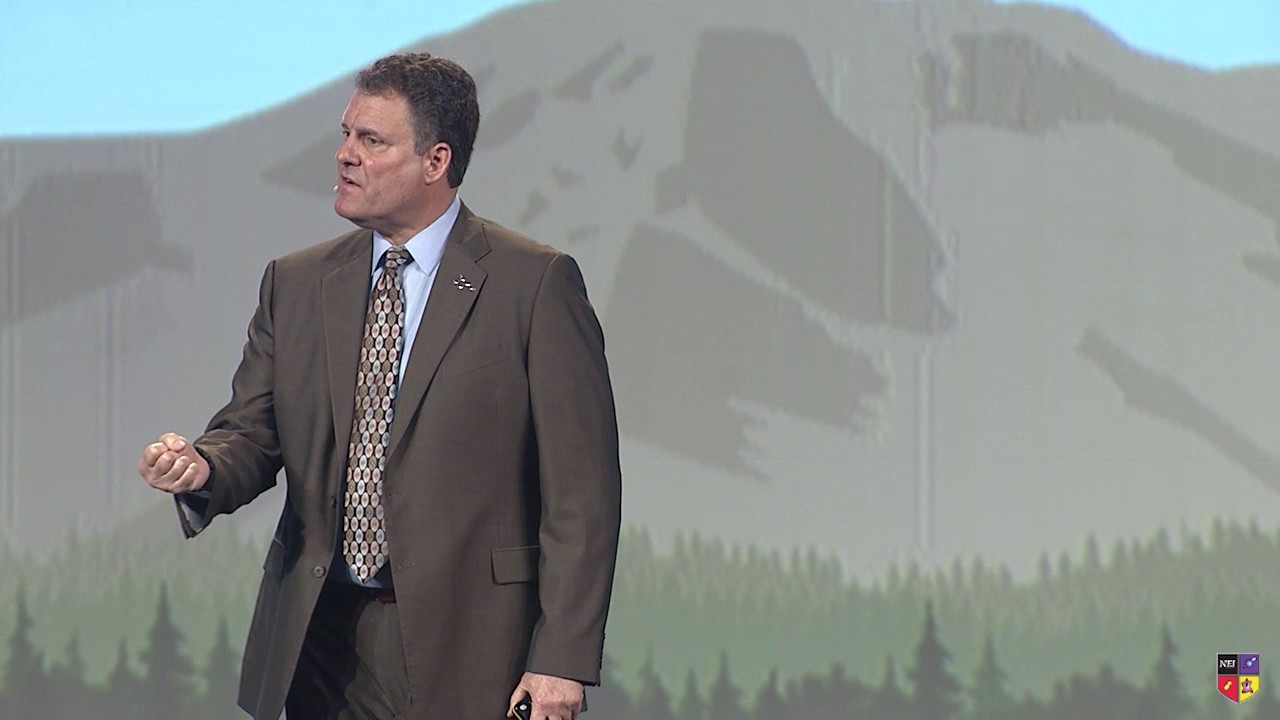
Dr. Cutler describes the signs and symptoms, including his own personal experience with this troubling side effect, as well as what's understood about why it occurs. Presented at the 2016 NEI Congress.
Learn about upcoming NEI Meetings: https://nei.global/meetings
Stay updated with email alerts: https://nei.global/updates
Interested in Psychopharmacology? Check out the NEI Master Psychopharmacology Program: https://nei.global/mpp
Follow us on Facebook: https://nei.global/facebook
Follow us on LinkedIn: https://nei.global/linkedin
Follow us on X: https://nei.global/twitter
Follow us on Instagram: https://nei.global/instagram
🎙 Listen to NEI Podcast: https://nei.global/podcast
Copyright © Neuroscience Education Institute. All rights reserved.

The Psychopharmacology Institute is an online platform offering unbiased, practical psychopharmacology updates for healthcare providers, with content updated monthly. It also presents opportunities to earn CME and SA credits.
In this video, we delve into the acute neurological side effects of antipsychotics, including akathisia, dystonia, and parkinsonism. We offer detailed insights into their clinical features, the drugs that could potentially cause these conditions, and effective management strategies.
We invite you to visit our website, where you'll find content that allows you to earn CME credits. Take a look at the 2023-24 Psychopharmacology Update here: https://shorturl.at/inqHK
#AntipsychoticSideEffects #Akathisia #Dystonia #Parkinsonism

Akathisia is a medication side effect. Antipsychotic medications are the most common cause of akathisia. However, akathisia can be caused by antidepressant medications, or by some types of anti-nausea/anti-vomiting medications.
Although akathisia is a relatively common side effect, it's also one that can be avoided. There are many treatments for akathisia.
Let me know what you would like to know more about.
https://askapsychiatrist.info/questions
00:00 - Introduction
00:13 - A question about akathisia
01:08 - What is akathisia?
01:42 - What does akathisia feel like?
02:10 - Feeling like crawling out of one’s skin
02:28 - What are the signs of akathisia?
02:49 - Akathisia is often a missed diagnosis
03:15 - What akathisia looks like
03:56 - What causes akathisia?
04:20 - What medications can cause akathisia?
05:08 - Can antidepressants cause akathisia?
05:49 - Is akathisia reversible?
07:01 - What is tardive akathisia?
07:29 - What are the best treatments for akathisia?
07:44 - Reducing medication dose can reduce akathisia
07:52 - Which antipsychotic is least likely to cause akathisia?
08:31 - Why, when to use medicine to treat akathisia?
09:20 - Does propranolol help with akathisia?
10:40 - Side effects of propranolol
11:11 - Are benzodiazepines useful for akathisia?
11:53 - Side effects of benzodiazepines
12:32 - Cyproheptadine (Periactin) to treat akathisia
13:19 - Side effects of cyproheptadine (Periactin)
13:30 - Does mirtazapine (Remeron) help with akathisia?
13:59 - Side effects of mirtazapine (Remeron)
14:25 - Vitamin B6 (pyridoxine) for akathisia
15:03 - Possible risks of vitamin B6 (pyridoxine)
15:31 - Do anticholinergic medicines help with akathisia?
16:01 - Side effects of anticholinergic medications
16:55 - Talk with your doctor to discuss your most appropriate options
17:07 - Does Benadryl (diphenhydramine) help akathisia?
18:00 - Side effects of Benadryl (diphenhydramine)
18:24 - Summary
Here are a few other videos
➡️ How To Best Treat Schizophrenia
https://youtu.be/A56OkFYZdFs
➡️ Exercise as a treatment for schizophrenia
https://youtu.be/2ElsA7q3Tm0
➡️ Natural treatments for schizophrenia
https://youtu.be/KtMpdAjpBRs


Come visit us at:
https://www.wittdoerringpsychiatry.com/
Please consider "liking" and subscribing so this content becomes easier for others to see
Disclaimer: All of the information on this channel is for educational purposes and not intended to be specific/personal medical advice from me to you. Watching the videos or getting answers to comments/question, does not establish a doctor-patient relationship. If you have your own doctor, perhaps these videos can help prepare you for your discussion with your doctor.
#Akathisia #benzodiazepines
