
- Ozempic
- Mounjaro
- Wegovy
- Semaglutide
- Retinol
- Finasteride
- Metformin
- Wellbutrin
- Melatonin
- Ashwagandha
- Lexapro
- Sertraline
- Creatine
- Prozac
- Fluoxetine
- Pregabalin
- Spironolactone
- Amlodipine
- Trazodone
- Akathisia
- Steroids
- Prednisone
- Doxycycline
- Tramadol
- Lisinopril
- Losartan
- Amoxicillin
- Androgenic
- Azithromycin
- Zoloft
- Statin
- Atorvastatin
- Acetylcysteine
- Adderall
- Alprazolam
- Amitriptyline
- Augmentin
- Cetirizine
- Cipro
- Clonazepam
- Clotrimazole
- Diazepam
- Fentanyl
- Gabapentin
- Hydroxyzine
- Ibuprofen
- Ivermectin
- Lorazepam
- Magnesium
- Meloxicam
- Metoprolol
- Metronidazole
- Mirtazapine
- Naproxen
- Omega 3
- Omeprazole
- Ondansetron
- Paracetamol
- Propranolol
- Quetiapine
- Sildenafil
- Tamsulosin
- Tirzepatide
- Tylenol
- Viagra
- Vitamin B12
- Vitamin C
- Vitamin D
- Xanax
- Acetaminophen
- Acyclovir
- Advil
- Albendazole
- Albuterol
- Alendronate
- Alfuzosin
- Allopurinol
- Amantadine
- Ambien
- Ambroxol
- Amiodarone
- Ampicillin
- Anastrozole
- Apixaban
- Aripiprazole
- Ascorbic Acid
- Aspirin
- Atarax
- Atenolol
- Ativan
- Atomoxetine
- Azelastine
- Bacitracin
- Baclofen
- Bactrim
- Bactroban
- Benadryl
- Bentyl
- Benzonatate
- Benztropine
- Betadine
- Betamethasone
- Biktarvy
- Biotin
- Bisacodyl
- Bisoprolol
- Botox
- Brilinta
- Budesonide
- Glycopyrrolate
- Bumetanide
- Buprenorphine
- Bupropion
- Buspar
- Buspirone
- Calcitriol
- Candesartan
- Captopril
- Carbamazepine
- Carvedilol
- Cefdinir
- Cefixime
- Ceftriaxone
- Cefuroxime
- Celebrex
- Celexa
- Cephalexin
- Chlorpheniramine
- Chlorthalidone
- Cholecalciferol
- Cialis
- Cilostazol
- Citalopram
- Claritin
- Clindamycin
- Clobetasol
- Clonidine
- Clopidogrel
- Clozapine
- Codeine
- Colace
- Colchicine
- Concerta
- Cosentyx
- Crestor
- Cyanocobalamin
- Cyclobenzaprine
- Cymbalta
- Dabigatran
- Dapagliflozin
- Decadron
- Denosumab
- Depakote
- Desloratadine
- Desvenlafaxine
- Dexamethasone
- Dexilant
- Dextroamphetamine
- Dextromethorphan
- Dextrose
- Dicyclomine
- Diflucan
- Digoxin
- Dilaudid
- Diltiazem
- Diphenhydramine
- Divalproex
- Docusate Sodium
- Domperidone
- Donepezil
- Dopamine
- Doxazosin
- Doxepin
- Doxycycline Hyclate
- Doxylamine
- Dulcolax
- Duloxetine
- Dupixent
- Dutasteride
- Echinacea
- Effexor
- Eliquis
- Empagliflozin
- Enalapril
- Epinephrine
- Epipen
- Erythromycin
- Escitalopram
- Esomeprazole
- Estradiol
- Euthyrox
- Excedrin
- Ezetimibe
- Famotidine
- Farxiga
- Febuxostat
- Fenofibrate
- Ferrous Sulfate
- Fexofenadine
- Fish Oil
- Flagyl
- Flecainide
- Flexeril
- Flomax
- Flonase
- Fluticasone
- Fluvoxamine
- Folic Acid
- Formoterol
- Fosamax
- Fosfomycin
- Furosemide
- Gardasil 9
- Garlic
- Gas X
- Gaviscon
- Gentamicin
- Ginkgo Biloba
- Ginseng
- Glimepiride
- Glipizide
- Glucagon
- Glucophage
- Glucosamine
- Glutathione
- Glycerin
- Griseofulvin
- Guaifenesin
- Guanfacine
- Haldol
- Haloperidol
- Heparin
- Hibiclens
- Humira
- Hydralazine
- Hydrea
- Hydrochlorothiazide
- Hydrocodone
- Hydrocortisone
- Hydromorphone
- Hydroxyurea
- Hyoscyamine
- Imiquimod
- Imodium
- Indapamide
- Inderal
- Indomethacin
- Infliximab
- Irbesartan
- Isosorbide
- Isosorbide Mononitrate
- Isotretinoin
- Itraconazole
- Ivabradine
- Janumet
- Januvia
- Japanese Knotweed
- Jardiance
- Kava
- Keflex
- Kenalog
- Keppra
- Ketoconazole
- Ketoconazole Shampoo
- Ketoprofen
- Ketorolac
- Keytruda
- Klonopin
- Labetalol
- Lacosamide
- Lactulose
- Lamictal
- Lamotrigine
- Lansoprazole
- Lantus
- Lasix
- Latanoprost
- Latuda
- Leflunomide
- Letrozole
- Levetiracetam
- Levocetirizine
- Levofloxacin
- Levothyroxine
- Lidocaine
- Linezolid
- Linzess
- Lipitor
- Liraglutide
- Lisdexamfetamine
- Lithium
- Lokelma
- Lomotil
- Loperamide
- Loratadine
- Lovenox
- Lyrica
- Macrobid
- Magnesium Citrate
- Magnesium Oxide
- Meclizine
- Medrol
- Mefenamic Acid
- Memantine
- Meropenem
- Metamucil
- Methadone
- Methimazole
- Methocarbamol
- Methotrexate
- Methylphenidate
- Methylprednisolone
- Metoclopramide
- Metoprolol Succinate
- Midazolam
- Midodrine
- Mirabegron
- Miralax
- Mobic
- Modafinil
- Montelukast
- Morphine
- Motrin
- Moxifloxacin
- Mucinex
- Mupirocin
- Nac
- Naloxone
- Naltrexone
- Narcan
- Nebivolol
- Neomycin
- Neosporin
- Neurontin
- Nexium
- Nexplanon
- Niacin
- Nifedipine
- Nitrofurantoin
- Nitroglycerin
- Norco
- Norepinephrine
- Norethindrone
- Nortriptyline
- Norvasc
- Octreotide
- Ofloxacin
- Olanzapine
- Olmesartan
- Orlistat
- Oseltamivir
- Oxazepam
- Oxcarbazepine
- Oxybutynin
- Oxycodone
- Oxycontin
- Oxygen
- Paroxetine
- Paxil
- Paxlovid
- Pepcid
- Percocet
- Phenazopyridine
- Phenergan
- Phenobarbital
- Phentermine
- Phenylephrine
- Phenytoin
- Pioglitazone
- Plan B
- Plaquenil
- Plavix
- Potassium Chloride
- Pradaxa
- Pravastatin
- Prazosin
- Prednisolone
- Prilosec
- Pristiq
- Prochlorperazine
- Progesterone
- Prolia
- Promethazine
- Propofol
- Protonix
- Pseudoephedrine
- Psyllium
- Pyridium
- Quercetin
- Quinine
- Rabeprazole
- Ramipril
- Ranitidine
- Ranolazine
- Reglan
- Remeron
- Repatha
- Rexulti
- Rifaximin
- Rinvoq
- Risperdal
- Risperidone
- Ritalin
- Rituximab
- Rivaroxaban
- Rizatriptan
- Robaxin
- Rocephin
- Rosuvastatin
- Rybelsus
- Salbutamol
- Scopolamine
- Senna
- Senokot
- Seroquel
- Simvastatin
- Singulair
- Sitagliptin
- Skyrizi
- Sodium Bicarbonate
- Sodium Chloride
- Solifenacin
- Soma
- Sotalol
- Spiriva
- Strattera
- Suboxone
- Sucralfate
- Sudafed
- Sulfasalazine
- Sumatriptan
- Symbicort
- Synthroid
- Tacrolimus
- Tadalafil
- Tamiflu
- Tamoxifen
- Tegretol
- Telmisartan
- Temazepam
- Tetracycline
- Thiamine
- Ticagrelor
- Tizanidine
- Topamax
- Topiramate
- Toradol
- Torsemide
- Tranexamic Acid
- Tremfya
- Tresiba
- Tretinoin
- Triamcinolone
- Triamcinolone Acetonide
- Trileptal
- Trimethoprim
- Trintellix
- Trulicity
- Ubrelvy
- Ultracet
- Unisom
- Urea
- Urea Cream
- Urso
- Ursodiol
- Valacyclovir
- Valium
- Valsartan
- Valtrex
- Vancomycin
- Varenicline
- Venlafaxine
- Ventolin
- Veozah
- Verapamil
- Vicodin
- Victoza
- Vistaril
- Vitamin B6
- Vitamin D3
- Vitamin E
- Vraylar
- Vyvanse
- Warfarin
- Witch Hazel
- Wormwood
- Xarelto
- Xenical
- Xifaxan
- Xolair
- Xylitol
- Xyzal
- Yarrow
- Yasmin
- Yaz
- Yellow Fever Vaccine
- Zantac
- Zepbound
- Zetia
- Zinc
- Zithromax
- Zofran
- Zoladex
- Zolpidem
- Zopiclone
- Zovirax
- Zyprexa
- Zyrtec
- Hydroxytryptophan
- Serious
- Other


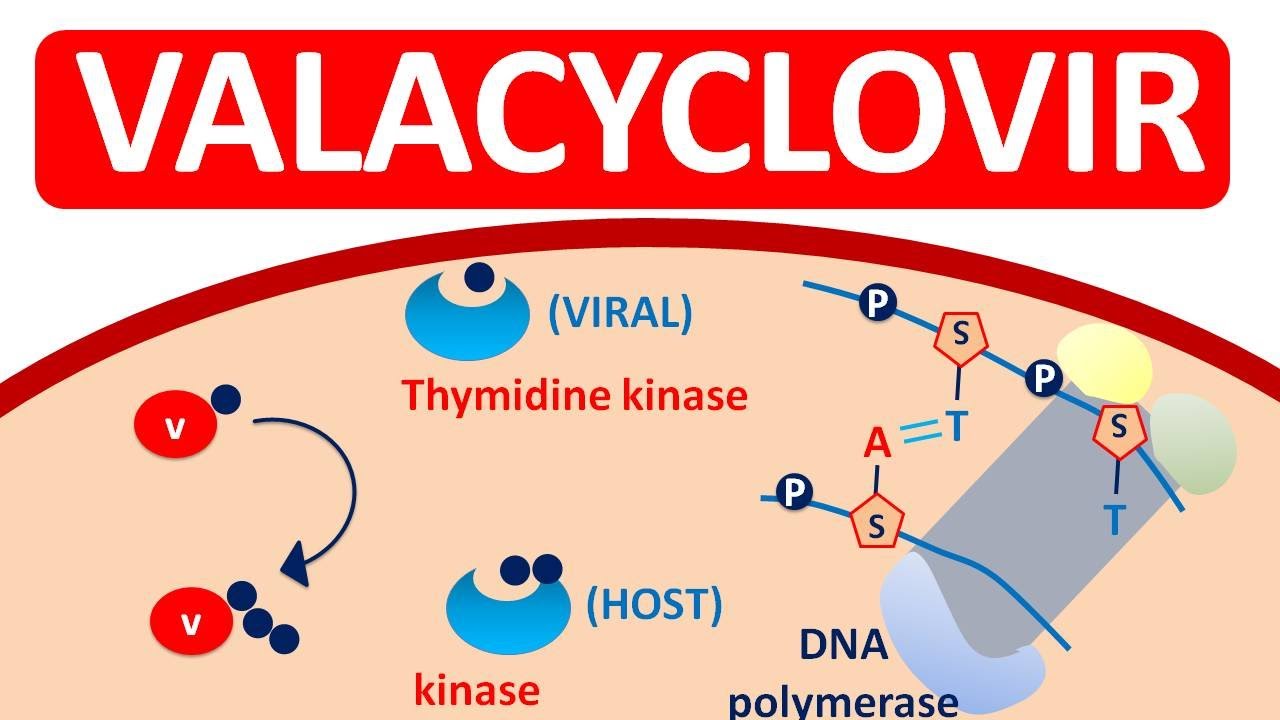









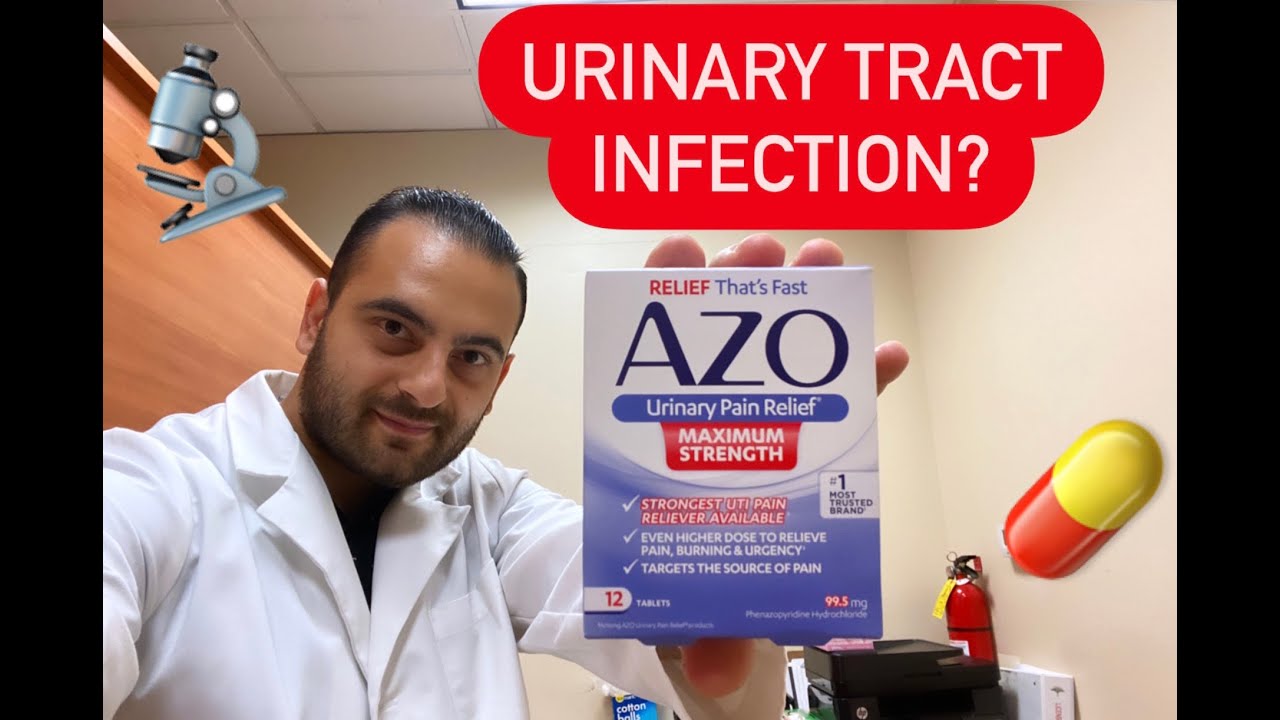



Say Goodbye to Urinary Tract Infections with Nitrofurantoin!

Urinary tract infections (UTIs) can be painful and uncomfortable, and can make it difficult to live life to the fullest. Thankfully, nitrofurantoin is an effective medication for treating UTIs.
It helps to reduce the severity and duration of the infection, and its antibiotic properties can help to prevent further infections from occurring.
With its wide range of benefits, nitrofurantoin is an excellent choice for treating UTIs, and can be taken in both short term and longterm courses.
Furthermore, nitrofurantoin is generally well-tolerated and has only mild side effects. So say goodbye to UTIs and start feeling better with nitrofurantoin!
What is a Urinary Tract Infection?
A urinary tract infection (UTI) is an infection of any part of the urinary system, which includes the kidneys, bladder, and urethra.
UTIs are caused by bacteria entering the body through the urethra and multiplying in the urinary system.
UTIs can also be caused by a number of other factors, such as sexual activity, poor hygiene, or a weakened immune system.
Symptoms of a Urinary Tract Infection
One of the most common symptoms of a UTI is a frequent and urgent need to urinate, even when there is not much urine present.
Other symptoms include a burning sensation when urinating, pain or pressure in the lower abdomen, cloudy or bloody urine, and a strong smell in the urine.
If left untreated, a UTI can become more serious and cause fever, nausea, and vomiting.
Causes of a Urinary Tract Infection
UTIs are typically caused by bacteria entering the urinary tract through the urethra.
Bacteria can be transferred through sexual activity, poor hygiene, or a weakened immune system.
Other possible causes include the use of certain medications, a blockage in the urinary tract, or a birth defect in the urinary tract.
What is Nitrofurantoin?
Nitrofurantoin is an antibiotic medication that is used to treat urinary tract infections. It works by killing the bacteria that cause the infection, and it can also be used to prevent further infections from occurring.
Nitrofurantoin is available in both oral and intravenous forms and is generally well-tolerated.
How Does Nitrofurantoin Treat Urinary Tract Infections?
Nitrofurantoin is used to treat UTIs by killing the bacteria that cause the infection. It works by inhibiting the growth of the bacteria, which makes it less likely for the infection to spread.
Nitrofurantoin also helps to reduce the severity and duration of the infection, and can help to prevent further infections from occurring.
Benefits of Nitrofurantoin for Treating Urinary Tract Infections
Nitrofurantoin has a number of benefits for treating UTIs. It is an effective antibiotic that can help to reduce the severity and duration of the infection. It is also generally well-tolerated and has only mild side effects.
Furthermore, nitrofurantoin can be taken in both short term and longterm courses, depending on the severity of the infection.
How to Take Nitrofurantoin
Nitrofurantoin is available in both oral and intravenous forms. For oral nitrofurantoin, the usual dose is 100 mg four times a day.
For intravenous nitrofurantoin, the usual dose is 1 g four times a day. It is important to follow your doctor’s instructions for taking nitrofurantoin, as the dosage may vary depending on the severity of the infection.
Possible Side Effects of Nitrofurantoin
Nitrofurantoin is generally well-tolerated and has only mild side effects. Common side effects include nausea, headache, dizziness, and diarrhea.
If you experience any serious side effects, such as rash, difficulty breathing, or fever, contact your doctor immediately.
Tips for Preventing Urinary Tract Infections
There are a number of steps you can take to help prevent UTIs from occurring. These include drinking plenty of fluids, avoiding caffeine and alcohol, urinating after sexual intercourse, and practicing good hygiene.
It is also important to seek medical attention if you experience any symptoms of a UTI. Your doctor can help to diagnose and treat the infection before it becomes more serious.
"DISCLAIMER: The content of this video is for informational and educational purposes only. It should not be used as a substitute for medical consultation. You should always seek the advice of your doctor or healthcare professional before taking any medication or starting any treatment. Treatments and medications should be prescribed and supervised by a qualified medical doctor only. Individual results may vary and the effectiveness of any treatment mentioned in this video is not guaranteed. Do not self-medicate, if you have any health problems, it is important to seek medical help immediately.

SORT BY-
Top Comments
-
Latest comments