- Ozempic
- Mounjaro
- Wegovy
- Semaglutide
- Retinol
- Finasteride
- Metformin
- Wellbutrin
- Melatonin
- Ashwagandha
- Lexapro
- Sertraline
- Creatine
- Prozac
- Fluoxetine
- Pregabalin
- Spironolactone
- Amlodipine
- Trazodone
- Akathisia
- Steroids
- Prednisone
- Doxycycline
- Tramadol
- Lisinopril
- Losartan
- Amoxicillin
- Androgenic
- Azithromycin
- Zoloft
- Statin
- Atorvastatin
- Acetylcysteine
- Adderall
- Alprazolam
- Amitriptyline
- Augmentin
- Cetirizine
- Cipro
- Clonazepam
- Clotrimazole
- Diazepam
- Fentanyl
- Gabapentin
- Hydroxyzine
- Ibuprofen
- Ivermectin
- Lorazepam
- Magnesium
- Meloxicam
- Metoprolol
- Metronidazole
- Mirtazapine
- Naproxen
- Omega 3
- Omeprazole
- Ondansetron
- Paracetamol
- Propranolol
- Quetiapine
- Sildenafil
- Tamsulosin
- Tirzepatide
- Tylenol
- Viagra
- Vitamin B12
- Vitamin C
- Vitamin D
- Xanax
- Acetaminophen
- Acyclovir
- Advil
- Albendazole
- Albuterol
- Alendronate
- Alfuzosin
- Allopurinol
- Amantadine
- Ambien
- Ambroxol
- Amiodarone
- Ampicillin
- Anastrozole
- Apixaban
- Aripiprazole
- Ascorbic Acid
- Aspirin
- Atarax
- Atenolol
- Ativan
- Atomoxetine
- Azelastine
- Bacitracin
- Baclofen
- Bactrim
- Bactroban
- Benadryl
- Bentyl
- Benzonatate
- Benztropine
- Betadine
- Betamethasone
- Biktarvy
- Biotin
- Bisacodyl
- Bisoprolol
- Botox
- Brilinta
- Budesonide
- Glycopyrrolate
- Bumetanide
- Buprenorphine
- Bupropion
- Buspar
- Buspirone
- Calcitriol
- Candesartan
- Captopril
- Carbamazepine
- Carvedilol
- Cefdinir
- Cefixime
- Ceftriaxone
- Cefuroxime
- Celebrex
- Celexa
- Cephalexin
- Chlorpheniramine
- Chlorthalidone
- Cholecalciferol
- Cialis
- Cilostazol
- Citalopram
- Claritin
- Clindamycin
- Clobetasol
- Clonidine
- Clopidogrel
- Clozapine
- Codeine
- Colace
- Colchicine
- Concerta
- Cosentyx
- Crestor
- Cyanocobalamin
- Cyclobenzaprine
- Cymbalta
- Dabigatran
- Dapagliflozin
- Decadron
- Denosumab
- Depakote
- Desloratadine
- Desvenlafaxine
- Dexamethasone
- Dexilant
- Dextroamphetamine
- Dextromethorphan
- Dextrose
- Dicyclomine
- Diflucan
- Digoxin
- Dilaudid
- Diltiazem
- Diphenhydramine
- Divalproex
- Docusate Sodium
- Domperidone
- Donepezil
- Dopamine
- Doxazosin
- Doxepin
- Doxycycline Hyclate
- Doxylamine
- Dulcolax
- Duloxetine
- Dupixent
- Dutasteride
- Echinacea
- Effexor
- Eliquis
- Empagliflozin
- Enalapril
- Epinephrine
- Epipen
- Erythromycin
- Escitalopram
- Esomeprazole
- Estradiol
- Euthyrox
- Excedrin
- Ezetimibe
- Famotidine
- Farxiga
- Febuxostat
- Fenofibrate
- Ferrous Sulfate
- Fexofenadine
- Fish Oil
- Flagyl
- Flecainide
- Flexeril
- Flomax
- Flonase
- Fluticasone
- Fluvoxamine
- Folic Acid
- Formoterol
- Fosamax
- Fosfomycin
- Furosemide
- Gardasil 9
- Garlic
- Gas X
- Gaviscon
- Gentamicin
- Ginkgo Biloba
- Ginseng
- Glimepiride
- Glipizide
- Glucagon
- Glucophage
- Glucosamine
- Glutathione
- Glycerin
- Griseofulvin
- Guaifenesin
- Guanfacine
- Haldol
- Haloperidol
- Heparin
- Hibiclens
- Humira
- Hydralazine
- Hydrea
- Hydrochlorothiazide
- Hydrocodone
- Hydrocortisone
- Hydromorphone
- Hydroxyurea
- Hyoscyamine
- Imiquimod
- Imodium
- Indapamide
- Inderal
- Indomethacin
- Infliximab
- Irbesartan
- Isosorbide
- Isosorbide Mononitrate
- Isotretinoin
- Itraconazole
- Ivabradine
- Janumet
- Januvia
- Japanese Knotweed
- Jardiance
- Kava
- Keflex
- Kenalog
- Keppra
- Ketoconazole
- Ketoconazole Shampoo
- Ketoprofen
- Ketorolac
- Keytruda
- Klonopin
- Labetalol
- Lacosamide
- Lactulose
- Lamictal
- Lamotrigine
- Lansoprazole
- Lantus
- Lasix
- Latanoprost
- Latuda
- Leflunomide
- Letrozole
- Levetiracetam
- Levocetirizine
- Levofloxacin
- Levothyroxine
- Lidocaine
- Linezolid
- Linzess
- Lipitor
- Liraglutide
- Lisdexamfetamine
- Lithium
- Lokelma
- Lomotil
- Loperamide
- Loratadine
- Lovenox
- Lyrica
- Macrobid
- Magnesium Citrate
- Magnesium Oxide
- Meclizine
- Medrol
- Mefenamic Acid
- Memantine
- Meropenem
- Metamucil
- Methadone
- Methimazole
- Methocarbamol
- Methotrexate
- Methylphenidate
- Methylprednisolone
- Metoclopramide
- Metoprolol Succinate
- Midazolam
- Midodrine
- Mirabegron
- Miralax
- Mobic
- Modafinil
- Montelukast
- Morphine
- Motrin
- Moxifloxacin
- Mucinex
- Mupirocin
- Nac
- Naloxone
- Naltrexone
- Narcan
- Nebivolol
- Neomycin
- Neosporin
- Neurontin
- Nexium
- Nexplanon
- Niacin
- Nifedipine
- Nitrofurantoin
- Nitroglycerin
- Norco
- Norepinephrine
- Norethindrone
- Nortriptyline
- Norvasc
- Octreotide
- Ofloxacin
- Olanzapine
- Olmesartan
- Orlistat
- Oseltamivir
- Oxazepam
- Oxcarbazepine
- Oxybutynin
- Oxycodone
- Oxycontin
- Oxygen
- Paroxetine
- Paxil
- Paxlovid
- Pepcid
- Percocet
- Phenazopyridine
- Phenergan
- Phenobarbital
- Phentermine
- Phenylephrine
- Phenytoin
- Pioglitazone
- Plan B
- Plaquenil
- Plavix
- Potassium Chloride
- Pradaxa
- Pravastatin
- Prazosin
- Prednisolone
- Prilosec
- Pristiq
- Prochlorperazine
- Progesterone
- Prolia
- Promethazine
- Propofol
- Protonix
- Pseudoephedrine
- Psyllium
- Pyridium
- Quercetin
- Quinine
- Rabeprazole
- Ramipril
- Ranitidine
- Ranolazine
- Reglan
- Remeron
- Repatha
- Rexulti
- Rifaximin
- Rinvoq
- Risperdal
- Risperidone
- Ritalin
- Rituximab
- Rivaroxaban
- Rizatriptan
- Robaxin
- Rocephin
- Rosuvastatin
- Rybelsus
- Salbutamol
- Scopolamine
- Senna
- Senokot
- Seroquel
- Simvastatin
- Singulair
- Sitagliptin
- Skyrizi
- Sodium Bicarbonate
- Sodium Chloride
- Solifenacin
- Soma
- Sotalol
- Spiriva
- Strattera
- Suboxone
- Sucralfate
- Sudafed
- Sulfasalazine
- Sumatriptan
- Symbicort
- Synthroid
- Tacrolimus
- Tadalafil
- Tamiflu
- Tamoxifen
- Tegretol
- Telmisartan
- Temazepam
- Tetracycline
- Thiamine
- Ticagrelor
- Tizanidine
- Topamax
- Topiramate
- Toradol
- Torsemide
- Tranexamic Acid
- Tremfya
- Tresiba
- Tretinoin
- Triamcinolone
- Triamcinolone Acetonide
- Trileptal
- Trimethoprim
- Trintellix
- Trulicity
- Ubrelvy
- Ultracet
- Unisom
- Urea
- Urea Cream
- Urso
- Ursodiol
- Valacyclovir
- Valium
- Valsartan
- Valtrex
- Vancomycin
- Varenicline
- Venlafaxine
- Ventolin
- Veozah
- Verapamil
- Vicodin
- Victoza
- Vistaril
- Vitamin B6
- Vitamin D3
- Vitamin E
- Vraylar
- Vyvanse
- Warfarin
- Witch Hazel
- Wormwood
- Xarelto
- Xenical
- Xifaxan
- Xolair
- Xylitol
- Xyzal
- Yarrow
- Yasmin
- Yaz
- Yellow Fever Vaccine
- Zantac
- Zepbound
- Zetia
- Zinc
- Zithromax
- Zofran
- Zoladex
- Zolpidem
- Zopiclone
- Zovirax
- Zyprexa
- Zyrtec
- Hydroxytryptophan
- Serious
- Other
Fatal Side Effects


In this video, I'm sharing with you 5 ways to use Tretinoin that don't involve applying it to your face. Tretinoin is a powerful skin care drug that can help reduce the appearance of acne, scars, and wrinkles.
Whether you're looking for ways to use Tretinoin that don't involve your face or want to learn more about the drug, this video is for you! We'll be sharing tips on using Tretinoin topically, orally, and in combination with other medications. Stay tuned for more helpful tutorials about Tretinoin!
If you want to customise your skincare routine join my channel to get access to perks:
https://www.youtube.com/channe....l/UClcYchlRF3XUbkxL0
Don't forget to like, comment, and subscribe for more expert skincare advice from Nipun Kapur! and share this video with your friends who might find it helpful.
🌟 Connect with Nipun Kapur on social media:
Subscribe Now: https://www.youtube.com/@NipunKapur
Follow:
TIKTOK: https://www.tiktok.com/@nipunkapur
INSTAGRAM: https://www.instagram.com/NIPUNKAPUR
#skincare #skincareproducts #skincareroutine #skincaretips #skincarereview


Hey lovies, alot of you has been asking me many questions about tretinoin and in this cideo i have covered all the points so Let’s talk about tretinoin. It is the hero ingredient that made my skin go from full of acne to clear glass skin in 30 days..Same lighting same angle, same location, same everything for the before and after photos ( i hsve shown in the video) just 30 days of difference. I am not lying .. this one product can give you tons of benefits, it can remove acne,acne scars. Wrinkles, fine lines age spot, pigmentation and it can lighten your skin with the price tag of just Rs:160 but if you don’t use it properly then this 1 product can give your skin tone of problems aswell.
So let’s understand how tretinoin works. In simple words. Tretinoin increases the cell turn over that means it replaces older skin with new skin by peeling off the outer most layer.
So now think if the outer most layer of the skin keep changing to new fresh one then how long will it take for your acne scars, pigmentation or wrinkles to vanish? Not long enough
But there’s a think which makes people leave tretinoin.. I call those people impatient and sensitive. let me explain in simple words tretinoin is a strong acid which works by increasing the cell turn over right? So when tretinoin is first introduced to our skin.. our skin don’t adjust with it and starts producing side effects such as dryness, redness, ichiness, acne breakouts which is totally normal..you have to understand that this is the process of Tretinoin working.. you will have to give your skin time to adjust with the newly introduced powerful ingredient tretinoin.. it will take around 1 or max 2 weeks for your skin to adjust with tretinoin and then tretinoin will start showing it’s magic. Avoid applying tretinoin near your eyes, mouth and nostril as they are sensitive places
Now even tho 2 weeks are not too long but it’s still hard to bear inching and dry skin for that long period.. so here’s how you can avoid getting side effects of Tretinoin.
The solution is Use hyaluronic acid with tretinoin. Make your skin damp and apply hyaluronic acid.. give it few minutes to absorb then take pea size amount of Tretinoin.. and apply it all over your face. Hyaluronic acid will maintain the skin barrier by giving it intense amount of hydration hence your skin won’t become dry, red or ichy.
Now there are many people who Complains that they are not getting any results after using tretinoin instead there skin is getting darker..
So there are 2 things that are very very very important if you are using tretinoin. They are moisturizer and sunscreen. As i said earlier tretinoin dries out the skin so you will need a good moisturizer, which has either ceramide, hyaluronic acid or vitamin E.
And while using tretinoin or any other acid based ingredients, sun becomes your worst enemy.. tretinoin or any active acid makes your skin sensitive to sunlight so if you go out in direct sunlight without any protection then your skin will get tanned and pigmented..so using a sunscreen is very important. Choose a sunscreen which has SPF50 with PA++++ rating and reapply every 4 hours if you are outdoor.
Now there are few people who are not supposed to use tretinoin. Lactating or pregnant women, people sensitive skin type and people who spends most of the time under sunlight.
For Sensitive skin type people you can use Retinol instead.
Now a lot of people ask me will they get the same results I got in 30 days of using tret? I would say maybe yes maybe not. Here me our first before coming at me.. one of my cousin had mild acne so her skin recovered in 2 weeks on the other hand one of my follower had acne acne scars for 6 years and she used my skincare routine and got 80% of her skin recovered in 4 months.. so the point to be noted here is.. you will get the results.. be it less than 30days or more than 30 days you will definitely get great results and after all that’s the goal right? To have fabulously clear skin.
Now lets talk about concentration. We mainly have 0.025% and 0.05% concentration of Tretinoin. You should always always always go for 0.025% one as a beginner. If you think higher concentration will give you faster results then that’s a no.. it will just give you too much side effects.
Now lets think about the long run. Tretinoin is great for anti aging right so if you are a person who wants to have glass like skin without any wrinkles at your 40 or 50s then start using tretinoin now. Start with applying tretinoin everyday for 1 year then use it on alternative days for 1 year. After that introduce 0.05% concentration of Tretinoin to your skin.. that time will be again a little painful for your skin. Once you are adjusted with 0.05%, use it 3 or 4 times a week for the rest of your life.. along with moisturizer and sunscreen.
Follow my social media
Instagram: https://instagram.com/thesristydutta
Facebook: https://www.facebook.com/sristy.dutta.54

Hydroquinone, Mometasone and Tretinoin Cream : Therapeutic Uses, Warning and Precautions, Interactions, Directions for Use, Side Effects and Storage. Find out which brands carry Hydroquinone, Mometasone and Tretinoin Cream here - https://www.netmeds.com/generi....cs/hydroquinone-2-w-


Tretinoin is a topical medication commonly used to treat acne, reduce the appearance of fine lines and wrinkles, and improve the overall texture and tone of the skin. It is a form of retinoid, which is derived from vitamin A. Tretinoin should be used with care and under the guidance of a healthcare provider or dermatologist, as it can be potent and may cause skin irritation. Here are some general guidelines on how to use tretinoin:
check all products: https://bit.ly/4bUG7Tb
Consult a Healthcare Provider: Before starting tretinoin, consult with a dermatologist or healthcare provider to determine if it's the right treatment for your skin concerns. They will provide specific instructions based on your skin type and condition.
Start with a Low Concentration: Tretinoin comes in various concentrations, typically ranging from 0.025% to 0.1%. Beginners should start with a lower concentration to minimize the risk of irritation. Your healthcare provider will recommend the appropriate strength for your skin.
Apply at Night: Tretinoin is usually applied at night because it can make your skin more sensitive to sunlight. It's important to use a broad-spectrum sunscreen during the day to protect your skin from UV damage.
Cleanse Your Face: Before applying tretinoin, cleanse your face with a mild, non-alcoholic cleanser. Pat your skin dry with a clean towel.
Apply a Pea-Sized Amount: Use a small amount of tretinoin, about the size of a pea, to cover your entire face. Avoid applying it too close to your eyes, nostrils, and mouth.
Avoid Sensitive Areas: Be cautious around sensitive areas, such as the corners of your eyes and the corners of your mouth. Applying tretinoin to these areas can increase the risk of irritation.
Wait for Your Skin to Dry: Allow your skin to dry completely after cleansing before applying tretinoin. This helps reduce the risk of irritation.
Moisturize: After tretinoin has absorbed into your skin (usually after about 20-30 minutes), apply a non-comedogenic moisturizer to help prevent dryness and reduce irritation.
Use Sparingly: Using tretinoin more frequently or applying larger amounts than recommended will not yield better results and may increase irritation.
Be Patient: It can take several weeks to see noticeable improvements in your skin. Initial side effects like redness and peeling are common but usually subside with time. If the irritation is severe, consult your healthcare provider.
Follow Instructions: Always follow the instructions provided by your healthcare provider or on the medication label. Do not use tretinoin on broken or sunburned skin.
Avoid Harsh Products: While using tretinoin, avoid harsh skincare products that may exacerbate irritation, such as abrasive scrubs or products containing alcohol.
Regular Follow-Up: Keep in touch with your dermatologist or healthcare provider for follow-up appointments to monitor your progress and adjust your treatment plan as needed.
Don't forget to like, comment, and subscribe for more expert skincare advice from Nipun Kapur! and share this video with your friends who might find it helpful.
🌟 Connect with Nipun Kapur on social media:
Subscribe Now: https://www.youtube.com/@NipunKapur
Follow:
TIKTOK: https://www.tiktok.com/@nipunkapur
INSTAGRAM: https://www.instagram.com/NIPUNKAPUR
#How to Apply Tretinoin Cream

If you have suffered from acne, tretinoin cream is something you might have used. It is the most popular Retinoid for acne treatment. Retinoid has many benefits including oil regulation and improving appearance of pores.
Here i tell you about the benefits of tretinoin cream, i highlight Side effects of tretinoin cream. Also i speak about how to use tretinoin cream for best results.
For Skin and Hair care consultations
📱 on +919821585586
☎️ on +91 11-45562916
📧 [email protected]
📫 Sarin Skin Solutions
D-396, Defence Colony, New Delhi
🌎 https://www.sarinskin.com/
.
.
.
#retinol #skincare #skincareroutine #antiaging #beauty #skin #vitaminc #acne #skincareproducts #skincaretips #serum #glowingskin #retinolserum #healthyskin #niacinamide #facial #vitamina #selfcare #hyaluronicacid #antiagingskincare #esthetician #skincarecommunity #retinolskincare #skincareaddict #spf #sunscreen #chemicalpeel #antiage #collagen

Shop Script: https://scriptderm.com
Ship Remedy: https://remedyskin.com
*Affiliate Links Generate Revenue for the Channel*
1:10 What Is A Retinoid?
2:23 Retinoid Dermatitis
5:01 Purging
7:41 Allergic Reaction
12:33 Dr. Maxfield's Results
13:10 How To Avoid The Retinoid Uglies
*Shop Favorite Skincare Products*
Shop My Shelf: https://shopmyshelf.us/shops/dermdoctor
Amazon Favorites: https://www.amazon.com/shop/doctorly
20% Off Paula's Choice: https://www.tkqlhce.com/click-100667849-15267262
Shop SkinBetter Science: https://skinbetter.pro/doctorly
Shop Dr. Shah's REMEDY Brand: https://remedyskin.com
*Affiliate Links Generate Revenue for the Channel*
Disclaimer: This video is not intended to provide diagnosis, treatment, or medical advice. Content provided in this video is for educational purposes only. Please consult with a physician regarding any health-related diagnosis or treatment.

Tretinoin is a vitamin A derivative used to treat acne vulgaris and certain types of promyelocytic leukemia, as well as various skin conditions in over-the-counter medications.
In this video, let’s find found:
What is tretinoin?
What is tretinoin used for?
Contraindication
What are the side effects of taking tretinoin?
How does tretinoin work?
How to use tretinoin?
▶ Share this video with others: https://youtu.be/DRfqZkrP2HA
▶ Subscribe to learn more about @HeInFo123
#tretinoin #vitamina #avita #tretinoincream
_____________________________________________________
Do not forget to like, share and subscribe #He-info
Youtube: He-Info Channel
Facebook: https://www.facebook.com/Heinfoworld
Tags: he-info, tretinoin, tretinoin uses, tretinoin dosage, tretinoin side effects, tretinoin mechanism, tretinoin indication, tretinoin contraindications, tretinoin mechanism of action, treatment of acne, leukemia, acute promyelocytic leukemia, Retin-a, Avita, Renova, tretinoin cream, tretinoin cream 0.025, tretinoin cream 0.05, tretinoin gel, tretinoin acne, tretinoin acne scars, tretinoin and minoxidil, azelaic acid and tretinoin cream, tretinoin cream xtralite, apply tretinoin, benefits of tretinoin

Welcome to my YouTube channel! If you've ever experienced a tretinoin fail, made tretinoin mistakes, or felt like tretinoin ruined your skin, then you've come to the right place.
In this channel, i Sristy Dutta aim to share my personal journey and experiences with tretinoin, shedding light on the challenges, setbacks, and valuable lessons I've learned along the way.
Tretinoin, a powerful retinoid used in skincare, can be both a blessing and a curse. It offers incredible benefits for skin health, such as reducing acne, minimizing wrinkles, and improving overall texture. However, when used incorrectly or without proper guidance, it can lead to frustrating outcomes and even skin damage.
Join me as I dive deep into the world of tretinoin, discussing the common mistakes people make when starting their tretinoin journey. I'll reveal the lessons I've learned firsthand and provide you with practical tips to help you avoid the pitfalls that can potentially ruin your skin.
Through honest and transparent storytelling, I will recount my own tretinoin fail, sharing the challenges I faced, the setbacks I encountered, and the strategies I employed to overcome them. I want to create a space where we can learn from each other's experiences and support one another on this often tumultuous skincare journey.
But it's not all doom and gloom! Alongside the stories of struggle, I'll also share success stories, tips for optimizing tretinoin usage, and recommendations for nourishing and revitalizing your skin after experiencing setbacks.
Together, let's explore the complexities of tretinoin, debunk myths, and uncover the truth about this potent skincare ingredient. By fostering an engaged community, we can exchange knowledge, empower one another, and ultimately achieve healthy, radiant skin.
Don't forget to subscribe to my channel to stay up-to-date with the latest videos and join the conversation. Together, we'll navigate the world of tretinoin, transforming our experiences from failures into stepping stones on the path to skincare success.
Follow my social media:
Instagram: https://instagram.com/thesristydutta
Facebook: https://www.facebook.com/sristy.dutta.54

#gyanitaksh #skincare #skincareroutine
Demelan Cream Review: Secret to Clear Skin & Vanishing Dark Spots | Proven Results in 15 Days!”.
Don't forget like share and subscribe
Gyani taksh
thanku you so much gyus:-
follow me:-
instagram;- http://www.instagram.com/sonu_sapna_vines
using tools
tripod :- https://amzn.eu/d/3KELWny
background:- https://amzn.eu/d/71pja19
mic:- https://amzn.eu/d/b2vmq6o
tembnial:- https://www.canva.com/design/DAFJv9x5WQU/
Your queries
Tretinoin 0.025% Cream
Tretinoin gel
Tretinoin 0.1 Cream
Tretinoin cream 0.025 uses
Tretinoin cream for acne
Tretinoin cream side effects
Tretinoin Cream Uses in Hindi
Tretinoin Cream price
Tretinoin cream 0.05 uses
Tretinoin 0.05% Cream
How to use tretinoin cream with moisturizer
Tretinoin cream
ट्रेटिन क्रीम का उपयोग कैसे करें?
Tretinoin से परिणाम देखने में कितना समय लगता है?
क्या मुझे हर रात Tretinoin 0.025 का उपयोग करना चाहिए?
Tretinoin cream ko kaise use kare
Tretinoin or glycolic acid mein sabse achi cream
Best cream for pigmentation
Best cream for dark spot
Best cream for pimples
hyperpigmentaion for best cream, tretinoin for hyperpigmentation, tretinoin cream 0.025, retinol cream for anti aging, tretinoin cream 0.025%, how to use tretinoin cream 0.025%, tretinoin cream before and after, retino a cream, starting tretinoin cream, stieva-a tretinoin cream, tretinoin cream, tretinoin cream effects, stieva-a tretinoin cream 0.05, tretinoin cream 0.1, tretinoin cream burn, how to use retin a cream, tretinoin cream journey, how to use tretinoin cream, tretinoin cream glow skin
disclaimer:- This video is not sponsored by any brand. the information provided on only knowledge purpose. Before taking any medicine consult a doctor these video is made for the purpose of your knowledge.
#gyanitaksh #beautyhacks #beautytips #beautyinfluencer #trendingbeautytips #viralbeautytricks #viralbeautytips #skinwhitening #glassskin #clearskin #clearskinsecrets #glassskinchallenge #glassskincare #darkspots #homeremedies #glowingskin #glowmask #hydratedskin #healthyglowingskin #viralshorts #musttrythisathome #trendingshorts #trendingshort #rohitsachdeva
(sonu prajapati)

Is it over for tretinoin and why do so many people seem to be stoping tretinoin (spoiler alert: you dont need to) how to use tretinoin for anti aging skincare.
Hey guys and welcome back to Mad About Skin where in todays video we are talking about Tretinoin and the reason why so may people online seem to be stopping tretinoin. From Kelly Driscoll through to Susan Yara and more, influencers are turning their backs on tretinoin but it doesnt mean you need to also.
Tretinoin is a high strength prescription only retinoid which has some amazing anti-ageing benefits for the skin. It has however some big side effects which you have to work your way through before you get to the tretinoin benefits at the other side. If your skin can tolerate tretinoin then using it consistently can increase the rate of cell turnover for smoother skin, fade hyperpigmentation and boost collagen to minimise fine lines and wrinkles. There are alternatives to tretinoin and so lets take a look at tretinoin in more detail.
How to use tretinoin for the best anti aging results and who maybe should avoid tretinoin in their skin care routine.
After using tretinoin (retin-a) for some time I decided to switch to retinal instead and now I use tretinoin 2 times per week for the best results and little sensitivity.
I would love to know what your experience has been with tretinoin and any other retinols so please leave me a comment below.
Products Mentioned:
Geek and Gorgeous A-Game 20
UK: https://iaff.geekandgorgeous.com/125-1-3-13.html
US: https://iaff.geekandgorgeous.com/125-38-3-45.html
Europe: https://iaff.geekandgorgeous.com/125-13-3-25.html
Other Countries: https://iaff.geekandgorgeous.com/125-1-3-13.html
Mad About Skin Ultimate Anti Aging Oil (Use Code SHIP4FREE for free shipping)
https://madaboutskincare.com/p....roducts/ultimate-ant
Timestamps:
00:00 start
02:10 end of introduction
02:15 benefits of tretinoin
04:06 why people are stopping tretinoin
05:45 alternatives to tretinoin
06:56 what cant you use with tretinoin
09:00 is tretinoin bad for your skin
10:46 summary
Wherever you are in the world, I hope you are keeping safe and well and I look forward to seeing you in the next video
xx
Rob
Shop my skincare line: https://madaboutskincare.com
For business enquiries please contact: [email protected]
#skincare #tretinoin #antiaging
Topics in this video:
skincare, skincare routine, skincare review, skin care, skin care review, skin care routine, tretinoin, how to use tetinoin, anti ageing, anti-ageing, anti aging, anti-aging, anti-ageing skincare, anti aging skincare, retin-a, retin a, how to use retin-a, how to use retin a, retinol, the best retinol, my tretinoin journey, retinol uglies, tretinoin before and after, why I stopped tretinoin, alternatives to tretinoin, mad about skin, madaboutskin, stopping tretinoin,

Early Access to my White Gold Vegan Brushes!
https://www.waynegoss.co.uk/pages/coming-soon
Tretinoin can do amazing things. The issue is that when you watch YouTube videos of peoples long term use - what you often will see are botox use, lasers, peels, and much much more. This does not give you a correct understand of the results that you can obtain from this wonderful ingredient.
SHOP WAYNE GOSS BRUSHES & MAKEUP HERE!
https://www.waynegoss.co.uk
Social Links!
❤Twitter https://twitter.com/gossmakeupartis
❤ Instagram http://instagram.com/gossmakeupartist
❤ Facebook https://www.facebook.com/officialgossmakeupartist
Popular Videos you might have missed!
HOW TO CONTOUR http://bit.ly/1K7QTEZ
THE MOST AMAZING MAKEUP TIP http://bit.ly/1BbMnzQ
HOW TO MAKE PORES INVISIBLE http://bit.ly/2D0ijwu
STEP BY STEP EYESHADOW TUTORIAL http://bit.ly/1kuuDeC
HOW TO GET RID OF BLACKHEADS http://bit.ly/2Fc4Svh
LIFE CHANGING FOUNDATION TIP http://bit.ly/1M4KQRa
KIM KARDASHIAN CONTOURING TIP http://bit.ly/2Fdzukd
LIFE CHANGING EYEBROW TIP http://bit.ly/1oOl2AJ
NEW WAY TO APPLY MASCARA http://bit.ly/2FTxVEZ
BEST LIQUID FOUNDATIONS http://bit.ly/2H4BBDl
Thank you for watching my youtube channel. My name is Wayne Goss and often known on youtube as gossmakeupartist. I give beauty tips, makeup techniques and reviews on all things makeup and skincare related. If you’re looking to pick up tips and tricks to up your makeup game, then i really hope you find this channel useful. I give beauty and makeup techniques that i hope will change the way you view makeup and make it a more fun and easy process.
DISCLAIMER:
Unless stated nothing in the video is sponsored or a paid advertisement. Often companies will kindly gift products. This however does not mean I have to review a product favourable. Gifted products do not come with any conditions. I am free to speak about them however I feel. Please note however that i do sometimes include affiliate links. These do not effect the price you pay for products but allow me to make a small commission on sales if you do purchase. Your support is much appreciated. Thank you.
#waynegoss #waynegossbrushes


Tresiba insulin?
My name is Ali ABDUL-Kareem, I am 21 years old, I do daily vlogs on my journey towards achieving great health with diabetes. I've had type 1 diabetes for about 3 years now. Comment and say hi! I wanna get to know YOU and how you live with this disease. Be sure to SUB to stay updated on daily vlogs!
--------------
Catch me hanging here with my Diabuddies!
Instagram: https://www.instagram.com/ali.abdlkareem/
Snapchat: https://www.snapchat.com/add/alawey96
-------------
Podcast!
https://itunes.apple.com/us/po....dcast/diabetes-hustl
Soundcloud: https://soundcloud.com/alawey-abdulkareem
Spreaker: https://www.spreaker.com/show/diabetesdailyhustle
--------------
The Diabetes Daily Hustle Facebook Support Group!
https://www.facebook.com/groups/153556628691697/
Music: https://www.youtube.com/watch?v=9ycJsnzJ-hA
https://www.youtube.com/watch?v=hfOUDPCy9FA
Please click here https://bit.ly/3kWYNwG, or scroll below to see Important Safety Information. Please see the Prescribing Information for Tresiba® at https://bit.ly/3JEzfPg
View information on Tresiba® FlexTouch® U-100 and learn how it compares to Insulin Glargine U-100.
For more information about features, dosing instructions, and coverage visit the Tresiba® Pro website – https://bit.ly/3XXs4pw
Indications and Usage
Tresiba® (insulin degludec) injection is indicated to improve glycemic control in patients 1 year of age and older with diabetes mellitus.
Limitations of Use
Tresiba® is not recommended for treating diabetic ketoacidosis.
Important Safety Information
Contraindications
• Tresiba® is contraindicated during episodes of hypoglycemia and in patients with hypersensitivity to insulin degludec or any of the excipients in Tresiba®
Warnings and Precautions
• Never Share a Tresiba® FlexTouch® Pen, Needle, or Syringe Between Patients, even if the needle is changed. Patients using Tresiba® vials should never share needles or syringes with another person. Sharing poses a risk for transmission of blood-borne pathogens.
• Hyperglycemia or Hypoglycemia with Changes in Insulin Regimen: Changes in an insulin regimen (e.g., insulin strength, manufacturer, type, or injection site or method of administration) may affect glycemic control and predispose to hypoglycemia or hyperglycemia. Repeated insulin injections into areas of lipodystrophy or localized cutaneous amyloidosis have been reported to result in hyperglycemia; and a sudden change in the injection site (to an unaffected area) has been reported to result in hypoglycemia. Make any changes to a patient’s insulin regimen under close medical supervision with increased frequency of blood glucose monitoring. Advise patients who have repeatedly injected into areas of lipodystrophy or localized cutaneous amyloidosis to change the injection site to unaffected areas and closely monitor for hypoglycemia. Adjustments in concomitant anti-diabetic treatment may be needed.
• Hypoglycemia: Hypoglycemia is the most common adverse reaction of insulin, including Tresiba®. Severe hypoglycemia can cause seizures, may be life-threatening or cause death. Hypoglycemia can impair concentration ability and reaction time; this may place the patient and others at risk in situations where these abilities are important (e.g., driving or operating other machinery). Hypoglycemia can happen suddenly and symptoms may differ in each patient and change over time in the same patient. Symptomatic awareness of hypoglycemia may be less pronounced in patients with longstanding diabetes, in patients with diabetic neuropathy, using drugs that block the sympathetic nervous system (e.g., beta-blockers) or who experience recurrent hypoglycemia. The long-acting effect of Tresiba® may delay recovery from hypoglycemia compared to shorter-acting insulins.
Risk Factors for Hypoglycemia: The risk of hypoglycemia generally increases with intensity of glycemic control. The risk of hypoglycemia after an injection is related to the duration of action of the insulin and, in general, is highest when the glucose lowering effect of the insulin is maximal. As with all insulins, the glucose lowering effect time course of Tresiba® may vary among different patients or at different times in the same patients and depends on many conditions, including the area of injection as well as the injection site blood supply and temperature. Other factors which may increase the risk of hypoglycemia include changes in meal pattern, changes in level of physical activity, or changes to concomitant drugs. Patients with renal or hepatic impairment may be at higher risk of hypoglycemia. Patients and caregivers must be educated to recognize and manage hypoglycemia. In patients at higher risk for hypoglycemia and patients who have reduced symptomatic awareness of hypoglycemia, increased frequency of blood glucose monitoring is recommended.
• Hypoglycemia Due to Medication Errors: Accidental mix-ups between insulin products have been reported. To avoid medication errors between Tresiba® and other insulins, always instruct patients to always check the insulin label before each injection. To avoid dosing errors and potential overdose, never use a syringe to remove Tresiba® from the Tresiba® FlexTouch® disposable insulin prefilled pen.
• Hypersensitivity Reactions: Severe, life-threatening, generalized allergy, including anaphylaxis, can occur with insulins, including Tresiba®. If hypersensitivity reactions occur, discontinue Tresiba®; treat per standard of care and monitor until symptoms and signs resolve.
Click here: https://bit.ly/3kWYNwG, or see video above for additional Important Safety information.


Please click here https://bit.ly/3kWYNwG, or scroll below to see Important Safety Information. Please see the Prescribing Information for Tresiba® at https://bit.ly/3JEzfPg
Philip Woodham, MD, discusses why he prescribes Tresiba® as a long-acting insulin for his appropriate patients with diabetes.
Hear from health care professionals about Tresiba® on the Tresiba® Pro website – https://bit.ly/3RrBiYM
Indications and Usage
Tresiba® (insulin degludec) injection is indicated to improve glycemic control in patients 1 year of age and older with diabetes mellitus.
Limitations of Use
Tresiba® is not recommended for treating diabetic ketoacidosis.
Important Safety Information
Contraindications
• Tresiba® is contraindicated during episodes of hypoglycemia and in patients with hypersensitivity to insulin degludec or any of the excipients in Tresiba®
Warnings and Precautions
• Never Share a Tresiba® FlexTouch® Pen, Needle, or Syringe Between Patients, even if the needle is changed. Patients using Tresiba® vials should never share needles or syringes with another person. Sharing poses a risk for transmission of blood-borne pathogens.
• Hyperglycemia or Hypoglycemia with Changes in Insulin Regimen: Changes in an insulin regimen (e.g., insulin strength, manufacturer, type, or injection site or method of administration) may affect glycemic control and predispose to hypoglycemia or hyperglycemia. Repeated insulin injections into areas of lipodystrophy or localized cutaneous amyloidosis have been reported to result in hyperglycemia; and a sudden change in the injection site (to an unaffected area) has been reported to result in hypoglycemia. Make any changes to a patient’s insulin regimen under close medical supervision with increased frequency of blood glucose monitoring. Advise patients who have repeatedly injected into areas of lipodystrophy or localized cutaneous amyloidosis to change the injection site to unaffected areas and closely monitor for hypoglycemia. Adjustments in concomitant anti-diabetic treatment may be needed.
• Hypoglycemia: Hypoglycemia is the most common adverse reaction of insulin, including Tresiba®. Severe hypoglycemia can cause seizures, may be life-threatening or cause death. Hypoglycemia can impair concentration ability and reaction time; this may place the patient and others at risk in situations where these abilities are important (e.g., driving or operating other machinery). Hypoglycemia can happen suddenly and symptoms may differ in each patient and change over time in the same patient. Symptomatic awareness of hypoglycemia may be less pronounced in patients with longstanding diabetes, in patients with diabetic neuropathy, using drugs that block the sympathetic nervous system (e.g., beta-blockers) or who experience recurrent hypoglycemia. The long-acting effect of Tresiba® may delay recovery from hypoglycemia compared to shorter-acting insulins.
Risk Factors for Hypoglycemia: The risk of hypoglycemia generally increases with intensity of glycemic control. The risk of hypoglycemia after an injection is related to the duration of action of the insulin and, in general, is highest when the glucose lowering effect of the insulin is maximal. As with all insulins, the glucose lowering effect time course of Tresiba® may vary among different patients or at different times in the same patients and depends on many conditions, including the area of injection as well as the injection site blood supply and temperature. Other factors which may increase the risk of hypoglycemia include changes in meal pattern, changes in level of physical activity, or changes to concomitant drugs. Patients with renal or hepatic impairment may be at higher risk of hypoglycemia. Patients and caregivers must be educated to recognize and manage hypoglycemia. In patients at higher risk for hypoglycemia and patients who have reduced symptomatic awareness of hypoglycemia, increased frequency of blood glucose monitoring is recommended.
• Hypoglycemia Due to Medication Errors: Accidental mix-ups between insulin products have been reported. To avoid medication errors between Tresiba® and other insulins, always instruct patients to always check the insulin label before each injection. To avoid dosing errors and potential overdose, never use a syringe to remove Tresiba® from the Tresiba® FlexTouch® disposable insulin prefilled pen.
• Hypersensitivity Reactions: Severe, life-threatening, generalized allergy, including anaphylaxis, can occur with insulins, including Tresiba®. If hypersensitivity reactions occur, discontinue Tresiba®; treat per standard of care and monitor until symptoms and signs resolve.
Click here: https://bit.ly/3kWYNwG, or see video above for additional Important Safety information.

Please click here https://bit.ly/3kWYNwG, or scroll below to see Important Safety Information. Please see the Prescribing Information for Tresiba® at https://bit.ly/3JEzfPg
Renowned diabetes expert Dr James R Gavin, III and past president of Morehouse College School of Medicine examines the mechanism of protraction of Tresiba®.
For more information on how Tresiba® works visit the Tresiba® Pro website – https://bit.ly/3Yhk7vL
Indications and Usage
Tresiba® (insulin degludec) injection is indicated to improve glycemic control in patients 1 year of age and older with diabetes mellitus.
Limitations of Use
Tresiba® is not recommended for treating diabetic ketoacidosis.
Important Safety Information
Contraindications
• Tresiba® is contraindicated during episodes of hypoglycemia and in patients with hypersensitivity to insulin degludec or any of the excipients in Tresiba®
Warnings and Precautions
• Never Share a Tresiba® FlexTouch® Pen, Needle, or Syringe Between Patients, even if the needle is changed. Patients using Tresiba® vials should never share needles or syringes with another person. Sharing poses a risk for transmission of blood-borne pathogens.
• Hyperglycemia or Hypoglycemia with Changes in Insulin Regimen: Changes in an insulin regimen (e.g., insulin strength, manufacturer, type, or injection site or method of administration) may affect glycemic control and predispose to hypoglycemia or hyperglycemia. Repeated insulin injections into areas of lipodystrophy or localized cutaneous amyloidosis have been reported to result in hyperglycemia; and a sudden change in the injection site (to an unaffected area) has been reported to result in hypoglycemia. Make any changes to a patient’s insulin regimen under close medical supervision with increased frequency of blood glucose monitoring. Advise patients who have repeatedly injected into areas of lipodystrophy or localized cutaneous amyloidosis to change the injection site to unaffected areas and closely monitor for hypoglycemia. Adjustments in concomitant anti-diabetic treatment may be needed.
• Hypoglycemia: Hypoglycemia is the most common adverse reaction of insulin, including Tresiba®. Severe hypoglycemia can cause seizures, may be life-threatening or cause death. Hypoglycemia can impair concentration ability and reaction time; this may place the patient and others at risk in situations where these abilities are important (e.g., driving or operating other machinery). Hypoglycemia can happen suddenly and symptoms may differ in each patient and change over time in the same patient. Symptomatic awareness of hypoglycemia may be less pronounced in patients with longstanding diabetes, in patients with diabetic neuropathy, using drugs that block the sympathetic nervous system (e.g., beta-blockers) or who experience recurrent hypoglycemia. The long-acting effect of Tresiba® may delay recovery from hypoglycemia compared to shorter-acting insulins.
Risk Factors for Hypoglycemia: The risk of hypoglycemia generally increases with intensity of glycemic control. The risk of hypoglycemia after an injection is related to the duration of action of the insulin and, in general, is highest when the glucose lowering effect of the insulin is maximal. As with all insulins, the glucose lowering effect time course of Tresiba® may vary among different patients or at different times in the same patients and depends on many conditions, including the area of injection as well as the injection site blood supply and temperature. Other factors which may increase the risk of hypoglycemia include changes in meal pattern, changes in level of physical activity, or changes to concomitant drugs. Patients with renal or hepatic impairment may be at higher risk of hypoglycemia. Patients and caregivers must be educated to recognize and manage hypoglycemia. In patients at higher risk for hypoglycemia and patients who have reduced symptomatic awareness of hypoglycemia, increased frequency of blood glucose monitoring is recommended.
• Hypoglycemia Due to Medication Errors: Accidental mix-ups between insulin products have been reported. To avoid medication errors between Tresiba® and other insulins, always instruct patients to always check the insulin label before each injection. To avoid dosing errors and potential overdose, never use a syringe to remove Tresiba® from the Tresiba® FlexTouch® disposable insulin prefilled pen.
• Hypersensitivity Reactions: Severe, life-threatening, generalized allergy, including anaphylaxis, can occur with insulins, including Tresiba®. If hypersensitivity reactions occur, discontinue Tresiba®; treat per standard of care and monitor until symptoms and signs resolve.
Click here: https://bit.ly/3kWYNwG, or see video above for additional Important Safety information.


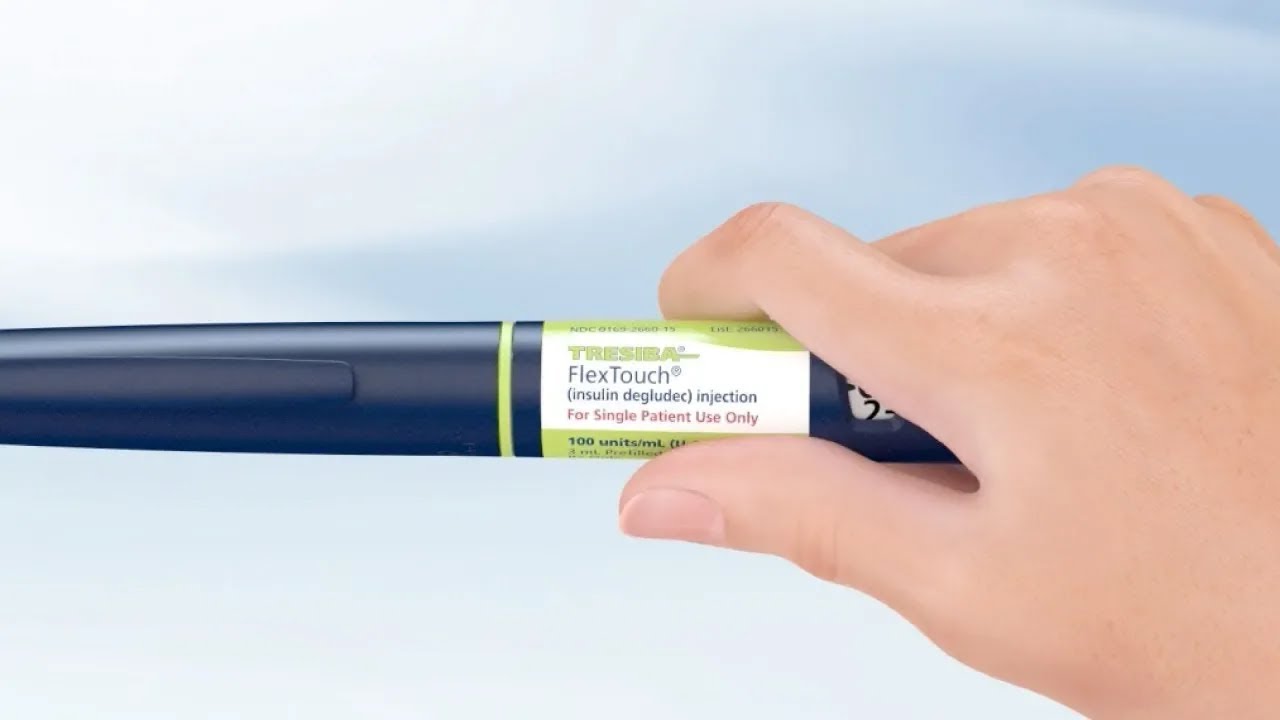
Learn how to use the Tresiba® FlexTouch® (insulin degludec) injection U-100 pen. See Important Safety Information below.
Please click here to see the Prescribing Information for Tresiba® — https://www.novo-pi.com/tresiba.pdf.
What is Tresiba®?
• Prescription Tresiba® is a long-acting insulin used to control high blood sugar in adults and children who are 1 year of age and older with diabetes
• Tresiba® is not for people with diabetic ketoacidosis (increased ketones in the blood or urine)
• It is not known if Tresiba® is safe and effective in children under 1 year of age
• Tresiba® is available in 2 concentrations: 200 units/mL and 100 units/mL
Important Safety Information
Do not share your Tresiba® FlexTouch® with other people, even if the needle has been changed. Do not share needles or syringes with another person. You may give other people a serious infection, or get a serious infection from them.
Who should not take Tresiba®?
Do not take Tresiba® if you:
• are having an episode of low blood sugar
• have an allergy to Tresiba® or any of the ingredients in Tresiba®
Before taking Tresiba®, tell your health care provider about all your medical conditions, including if you are:
• pregnant, planning to become pregnant, or are breastfeeding
• taking new prescription or over-the-counter medicines, vitamins, or herbal supplements
Talk to your health care provider about low blood sugar and how to manage it.
How should I take Tresiba®?
• Read the Instructions for Use and take Tresiba® exactly as your health care provider tells you to
• Do not do any conversion of your dose. The dose counter always shows the selected dose in units
• Know the type and strength of insulin you take. Do not change the type of insulin you take unless your health care provider tells you to
• Adults - If you miss or are delayed in taking your dose of Tresiba®:
o Take your dose as soon as you remember, then continue with your regular dosing schedule
o Make sure there are at least 8 hours between doses
• If children miss a dose of Tresiba®:
o Call the healthcare provider for information and instructions about checking blood sugar levels more often until the next scheduled dose of Tresiba®
• For children who need less than 5 units of Tresiba® each day, use a Tresiba® U-100 vial
• Check your blood sugar levels. Ask your health care provider what your blood sugar levels should be and when you should check them
• Do not reuse or share your needles or syringes with other people. You may give them a serious infection, or get a serious infection from them
• Never inject Tresiba® into a vein or muscle
• Never use a syringe to remove Tresiba® from the FlexTouch® pen
• Tresiba® can be injected under the skin (subcutaneously) of your upper legs (thighs), upper arms, or stomach area (abdomen).
• Change (rotate) your injection sites within the area you choose with each injection to reduce your risk of getting lipodystrophy (pits in skin or thickened skin) and localized cutaneous amyloidosis (skin with lumps) at the injection sites.
o Do not use the exact same spot for each injection.
o Do not inject where the skin has pits, is thickened, or has lumps.
o Do not inject where the skin is tender, bruised, scaly or hard, or into scars or damaged skin.
What should I avoid while taking Tresiba®?
• Do not drive or operate heavy machinery, until you know how Tresiba® affects you
• Do not drink alcohol or use prescription or over-the-counter medicines that contain alcohol
What are the possible side effects of Tresiba®?
Tresiba® may cause serious side effects that can be life-threatening, including:
• Low blood sugar (hypoglycemia). Signs and symptoms that may indicate low blood sugar include dizziness, light-headedness, sweating, confusion, headache, blurred vision, slurred speech, shakiness, fast heart beat, anxiety, irritability, mood changes, and hunger.
• Low potassium in your blood (hypokalemia)
• Heart failure in some people if taken with thiazolidinediones (TZDs). This can happen even if you have never had heart failure or heart problems. If you already have heart failure, it may get worse while you take TZDs with Tresiba®. Tell your health care provider if you have any new or worse symptoms of heart failure including shortness of breath, tiredness, swelling of your ankles or feet, and sudden weight gain
Your insulin dose may need to change because of change in level of physical activity or exercise, increased stress, change in diet, weight gain or loss, or illness.
Common side effects may include serious allergic reactions (whole body reactions), reactions at the injection site, skin thickening or pits at the injection site (lipodystrophy), itching, rash, swelling of your hands and feet, and weight gain.
Get emergency medical help if you have trouble breathing, shortness of breath, fast heartbeat, swelling of your face, tongue, or throat, sweating, extreme drowsiness, dizziness, or confusion.


This is my experience with using first Levemir and then Tresiba as my basal long-acting insulin.
I’ve been managing my diabetes with multiple daily injections (MDI) since 1997. I started used Levemir as my basal insulin in 2005 and switched to Tresiba in November 2020.
Although they are both basal insulins, they have very different blood sugar-lowering profiles and I’ve seen great benefits using both. This is my experience…..
00:00 What’s insulin, why do we need it and what is basal long-acting insulin?
1:43 What is Levemir and my experience
5:33 What is Tresiba and my experience
10:04 Conclusion, why I’ll stick with Tresiba
SUPPORT MY CHANNEL SUBSCRIBE to the Diabetes Strong YouTube Channel HERE ► https://goo.gl/VSNTQI
Check out more Diabetes Tips & Tricks HERE ► https://youtube.com/playlist?l....ist=PLP1_U1UAmvW7TUO
FOLLOW DIABETES STRONG ON:
Website: https://diabetesstrong.com/
Facebook: https://facebook.com/diabetesstrong
Pinterest: https://pinterest.com/diabetesstrong
Instagram: https://instagram.com/diabetesstrong_IG
DISCLAIMER: I’m not a medical professional, never stop your current treatment without consulting with your doctor


Please click here https://bit.ly/3kWYNwG, or scroll below to see Important Safety Information. Please see the Prescribing Information for Tresiba® at https://bit.ly/3JEzfPg
Steven Edelman, MD, reviews the features of Tresiba® FlexTouch® U-100 and U-200 and how device options play a role in his prescribing decisions.
For more information about Tresiba® FlexTouch® and vial visit the Tresiba® Pro website – https://bit.ly/3XXs4pw
Indications and Usage
Tresiba® (insulin degludec) injection is indicated to improve glycemic control in patients 1 year of age and older with diabetes mellitus.
Limitations of Use
Tresiba® is not recommended for treating diabetic ketoacidosis.
Important Safety Information
Contraindications
• Tresiba® is contraindicated during episodes of hypoglycemia and in patients with hypersensitivity to insulin degludec or any of the excipients in Tresiba®
Warnings and Precautions
• Never Share a Tresiba® FlexTouch® Pen, Needle, or Syringe Between Patients, even if the needle is changed. Patients using Tresiba® vials should never share needles or syringes with another person. Sharing poses a risk for transmission of blood-borne pathogens.
• Hyperglycemia or Hypoglycemia with Changes in Insulin Regimen: Changes in an insulin regimen (e.g., insulin strength, manufacturer, type, or injection site or method of administration) may affect glycemic control and predispose to hypoglycemia or hyperglycemia. Repeated insulin injections into areas of lipodystrophy or localized cutaneous amyloidosis have been reported to result in hyperglycemia; and a sudden change in the injection site (to an unaffected area) has been reported to result in hypoglycemia. Make any changes to a patient’s insulin regimen under close medical supervision with increased frequency of blood glucose monitoring. Advise patients who have repeatedly injected into areas of lipodystrophy or localized cutaneous amyloidosis to change the injection site to unaffected areas and closely monitor for hypoglycemia. Adjustments in concomitant anti-diabetic treatment may be needed.
• Hypoglycemia: Hypoglycemia is the most common adverse reaction of insulin, including Tresiba®. Severe hypoglycemia can cause seizures, may be life-threatening or cause death. Hypoglycemia can impair concentration ability and reaction time; this may place the patient and others at risk in situations where these abilities are important (e.g., driving or operating other machinery). Hypoglycemia can happen suddenly and symptoms may differ in each patient and change over time in the same patient. Symptomatic awareness of hypoglycemia may be less pronounced in patients with longstanding diabetes, in patients with diabetic neuropathy, using drugs that block the sympathetic nervous system (e.g., beta-blockers) or who experience recurrent hypoglycemia. The long-acting effect of Tresiba® may delay recovery from hypoglycemia compared to shorter-acting insulins.
Risk Factors for Hypoglycemia: The risk of hypoglycemia generally increases with intensity of glycemic control. The risk of hypoglycemia after an injection is related to the duration of action of the insulin and, in general, is highest when the glucose lowering effect of the insulin is maximal. As with all insulins, the glucose lowering effect time course of Tresiba® may vary among different patients or at different times in the same patients and depends on many conditions, including the area of injection as well as the injection site blood supply and temperature. Other factors which may increase the risk of hypoglycemia include changes in meal pattern, changes in level of physical activity, or changes to concomitant drugs. Patients with renal or hepatic impairment may be at higher risk of hypoglycemia. Patients and caregivers must be educated to recognize and manage hypoglycemia. In patients at higher risk for hypoglycemia and patients who have reduced symptomatic awareness of hypoglycemia, increased frequency of blood glucose monitoring is recommended.
• Hypoglycemia Due to Medication Errors: Accidental mix-ups between insulin products have been reported. To avoid medication errors between Tresiba® and other insulins, always instruct patients to always check the insulin label before each injection. To avoid dosing errors and potential overdose, never use a syringe to remove Tresiba® from the Tresiba® FlexTouch® disposable insulin prefilled pen.
• Hypersensitivity Reactions: Severe, life-threatening, generalized allergy, including anaphylaxis, can occur with insulins, including Tresiba®. If hypersensitivity reactions occur, discontinue Tresiba®; treat per standard of care and monitor until symptoms and signs resolve.
Click here: https://bit.ly/3kWYNwG, or see video above for additional Important Safety information.


As diabetes is on the rise, basal insulins also known as background insulin or long-acting insulins are becoming more popular. More people are starting on insulin now more than ever due to the increasing rise in insulin resistance likely due to obesity. The common long-acting insulins include Lantus, Basaglar, Levemir, Tresiba and Toujeo. However, it is important to note that now all of these insulins work the same. That is why not every patient has been prescribed the same insulin. It is important to know the difference between the insulins and to know how to properly take the insulins you've been prescribed. I educate you on all of these insulins and how basal insulin works in general.
Timecodes:
00:00 Basal insulins (long-acting insulins)
00:54 Basaglar, Levemir, Tresiba, Toujeo and Lantus
01:36 Basal insulins work throughout a 24 hour period
02:14 How to dose basal or long-acting insulins
#basalinsulin #diabetes #insulin #thevoiceofdiabetes
Facebook: https://www.facebook.com/thevoiceofdi...
Instagram: thevoiceofdiabetes
Email: [email protected]
Disclaimer: The information on this channel (The Voice of Diabetes) is provided as an information resource ONLY. It is not to be used or relied on for any diagnostic or treatment purposes. This information is not intended to be patient education, does not create any patient-physician (APRN) relationship, and should not be used as a substitute for professional diagnosis and treatment. Please consult your health care provider before making any healthcare decisions or for guidance about a specific medical condition. Diana Bytyqi, DNP, FNP-C, shall have no liability for any damages, loss, injury, or liability whatsoever suffered as a result of your reliance on the information contained on this site.


Please click here https://bit.ly/3kWYNwG, or scroll below to see Important Safety Information. Please see the Prescribing Information for Tresiba® at https://bit.ly/3JEzfPg
Hear about the pharmacokinetics behind the duration of action of Tresiba® from past president of Morehouse College School of Medicine and renowned diabetes expert Dr James R Gavin, III.
For more information about the duration of action of Tresiba® visit the Tresiba® Pro website – https://bit.ly/3RyvOeH
Indications and Usage
Tresiba® (insulin degludec) injection is indicated to improve glycemic control in patients 1 year of age and older with diabetes mellitus.
Limitations of Use
Tresiba® is not recommended for treating diabetic ketoacidosis.
Important Safety Information
Contraindications
• Tresiba® is contraindicated during episodes of hypoglycemia and in patients with hypersensitivity to insulin degludec or any of the excipients in Tresiba®
Warnings and Precautions
• Never Share a Tresiba® FlexTouch® Pen, Needle, or Syringe Between Patients, even if the needle is changed. Patients using Tresiba® vials should never share needles or syringes with another person. Sharing poses a risk for transmission of blood-borne pathogens.
• Hyperglycemia or Hypoglycemia with Changes in Insulin Regimen: Changes in an insulin regimen (e.g., insulin strength, manufacturer, type, or injection site or method of administration) may affect glycemic control and predispose to hypoglycemia or hyperglycemia. Repeated insulin injections into areas of lipodystrophy or localized cutaneous amyloidosis have been reported to result in hyperglycemia; and a sudden change in the injection site (to an unaffected area) has been reported to result in hypoglycemia. Make any changes to a patient’s insulin regimen under close medical supervision with increased frequency of blood glucose monitoring. Advise patients who have repeatedly injected into areas of lipodystrophy or localized cutaneous amyloidosis to change the injection site to unaffected areas and closely monitor for hypoglycemia. Adjustments in concomitant anti-diabetic treatment may be needed.
• Hypoglycemia: Hypoglycemia is the most common adverse reaction of insulin, including Tresiba®. Severe hypoglycemia can cause seizures, may be life-threatening or cause death. Hypoglycemia can impair concentration ability and reaction time; this may place the patient and others at risk in situations where these abilities are important (e.g., driving or operating other machinery). Hypoglycemia can happen suddenly and symptoms may differ in each patient and change over time in the same patient. Symptomatic awareness of hypoglycemia may be less pronounced in patients with longstanding diabetes, in patients with diabetic neuropathy, using drugs that block the sympathetic nervous system (e.g., beta-blockers) or who experience recurrent hypoglycemia. The long-acting effect of Tresiba® may delay recovery from hypoglycemia compared to shorter-acting insulins.
Risk Factors for Hypoglycemia: The risk of hypoglycemia generally increases with intensity of glycemic control. The risk of hypoglycemia after an injection is related to the duration of action of the insulin and, in general, is highest when the glucose lowering effect of the insulin is maximal. As with all insulins, the glucose lowering effect time course of Tresiba® may vary among different patients or at different times in the same patients and depends on many conditions, including the area of injection as well as the injection site blood supply and temperature. Other factors which may increase the risk of hypoglycemia include changes in meal pattern, changes in level of physical activity, or changes to concomitant drugs. Patients with renal or hepatic impairment may be at higher risk of hypoglycemia. Patients and caregivers must be educated to recognize and manage hypoglycemia. In patients at higher risk for hypoglycemia and patients who have reduced symptomatic awareness of hypoglycemia, increased frequency of blood glucose monitoring is recommended.
• Hypoglycemia Due to Medication Errors: Accidental mix-ups between insulin products have been reported. To avoid medication errors between Tresiba® and other insulins, always instruct patients to always check the insulin label before each injection. To avoid dosing errors and potential overdose, never use a syringe to remove Tresiba® from the Tresiba® FlexTouch® disposable insulin prefilled pen.
• Hypersensitivity Reactions: Severe, life-threatening, generalized allergy, including anaphylaxis, can occur with insulins, including Tresiba®. If hypersensitivity reactions occur, discontinue Tresiba®; treat per standard of care and monitor until symptoms and signs resolve.
Click here: https://bit.ly/3kWYNwG, or see video above for additional Important Safety information.

Dr. B. K. Roy MBBS, MD, DM ( Endocrinology), (Mob. 8800843976, 9911724317 ) MES (USA), ESDCC (USA), Consultant Diabetes Thyroid Hormone Specialist at APOLLO HOSPITAL Noida & his Own Delhi & Noida Centre. Ex. Asstt. Professor at School of Medical Sciences & Research at Greater Noida.
Clinic Certified by Endocrine Society of USA,
Delivers lectures or Chairs Sessions or Speaks as Panelist on Diabetes & Hormone Diseases in various Medical Forums.Took special training from AIIMS Delhi & PGI Chandigarh. Senior Member Endocrine Society of India. Senior Member Diabetes Association Of India of India. Active Member of Indian Medical Association. Attends various National & International Conferences. Regularly shown on various TV Channels as Hormone Specialist.
My Contact Address are :
(1). Delhi Centre: Hormone Centre, Surana Bhawan, Near Laxmi Nagar Metro Station, Vikas Marg, Delhi 110092,
(2) Noida Centre: Chamber No. -17, Savitry Market, Near Sector 18, Metro Station, Noida, Uttar Pradesh , Noida,
(3.) Apollo Hospital, Sector-26, Beside Club 26, Noida
Contact Numbers:
Please Whattsapp or SMS at 8800843976 any Enquiry. Website: www.diabetesthyroidhormone.com
I am very thankful to you for watching my videos. I Promise that I will keep posting useful videos for you. Please do not call for Free Consultation / Advise on Phone as these Telephone Calls are are attended by My Clinic staff, they will not be able to give you answer of any medical query. Thus Please write your problem in Email, Whatsapp or SMS message. We Shall let you know what to do for that. As I am a Practicing Doctor Thus It is not possible for me to give Free Consultation for so many Patients on phone. Thus Kindly contact me via whattsapp or SMS.

Please click here https://bit.ly/3kWYNwG, or scroll below to see Important Safety Information. Please see the Prescribing Information for Tresiba® at https://bit.ly/3JEzfPg
Help your patients learn to use the Tresiba® U-100 Pen in this easy to follow video which shows detailed instructions on how to administer Tresiba® insulin.
For more information on Tresiba®, including cost and coverage, and resources for you and your patients, visit the Tresiba® Pro website – https://bit.ly/3XXs4pw
Indications and Usage
Tresiba® (insulin degludec) injection is indicated to improve glycemic control in patients 1 year of age and older with diabetes mellitus.
Limitations of Use
Tresiba® is not recommended for treating diabetic ketoacidosis.
Important Safety Information
Contraindications
• Tresiba® is contraindicated during episodes of hypoglycemia and in patients with hypersensitivity to insulin degludec or any of the excipients in Tresiba®
Warnings and Precautions
• Never Share a Tresiba® FlexTouch® Pen, Needle, or Syringe Between Patients, even if the needle is changed. Patients using Tresiba® vials should never share needles or syringes with another person. Sharing poses a risk for transmission of blood-borne pathogens.
• Hyperglycemia or Hypoglycemia with Changes in Insulin Regimen: Changes in an insulin regimen (e.g., insulin strength, manufacturer, type, or injection site or method of administration) may affect glycemic control and predispose to hypoglycemia or hyperglycemia. Repeated insulin injections into areas of lipodystrophy or localized cutaneous amyloidosis have been reported to result in hyperglycemia; and a sudden change in the injection site (to an unaffected area) has been reported to result in hypoglycemia. Make any changes to a patient’s insulin regimen under close medical supervision with increased frequency of blood glucose monitoring. Advise patients who have repeatedly injected into areas of lipodystrophy or localized cutaneous amyloidosis to change the injection site to unaffected areas and closely monitor for hypoglycemia. Adjustments in concomitant anti-diabetic treatment may be needed.
• Hypoglycemia: Hypoglycemia is the most common adverse reaction of insulin, including Tresiba®. Severe hypoglycemia can cause seizures, may be life-threatening or cause death. Hypoglycemia can impair concentration ability and reaction time; this may place the patient and others at risk in situations where these abilities are important (e.g., driving or operating other machinery). Hypoglycemia can happen suddenly and symptoms may differ in each patient and change over time in the same patient. Symptomatic awareness of hypoglycemia may be less pronounced in patients with longstanding diabetes, in patients with diabetic neuropathy, using drugs that block the sympathetic nervous system (e.g., beta-blockers) or who experience recurrent hypoglycemia. The long-acting effect of Tresiba® may delay recovery from hypoglycemia compared to shorter-acting insulins.
Risk Factors for Hypoglycemia: The risk of hypoglycemia generally increases with intensity of glycemic control. The risk of hypoglycemia after an injection is related to the duration of action of the insulin and, in general, is highest when the glucose lowering effect of the insulin is maximal. As with all insulins, the glucose lowering effect time course of Tresiba® may vary among different patients or at different times in the same patients and depends on many conditions, including the area of injection as well as the injection site blood supply and temperature. Other factors which may increase the risk of hypoglycemia include changes in meal pattern, changes in level of physical activity, or changes to concomitant drugs. Patients with renal or hepatic impairment may be at higher risk of hypoglycemia. Patients and caregivers must be educated to recognize and manage hypoglycemia. In patients at higher risk for hypoglycemia and patients who have reduced symptomatic awareness of hypoglycemia, increased frequency of blood glucose monitoring is recommended.
• Hypoglycemia Due to Medication Errors: Accidental mix-ups between insulin products have been reported. To avoid medication errors between Tresiba® and other insulins, always instruct patients to always check the insulin label before each injection. To avoid dosing errors and potential overdose, never use a syringe to remove Tresiba® from the Tresiba® FlexTouch® disposable insulin prefilled pen.
• Hypersensitivity Reactions: Severe, life-threatening, generalized allergy, including anaphylaxis, can occur with insulins, including Tresiba®. If hypersensitivity reactions occur, discontinue Tresiba®; treat per standard of care and monitor until symptoms and signs resolve.
Click here: https://bit.ly/3kWYNwG, or see video above for additional Important Safety information.

NCLEX Review: Insulin Degludec (Tresiba) - Mechanism of Action, Uses, Dosing, Side effects, Nursing considerations
Insulin overview: 0:26
Types of Insulin: 1:21
Insulin Degludec: 2:31
Uses: 3:13
Dosing: 3:21
Side effects: 4:13
Nursing considerations: 4:34
**********************************
Instagram: https://www.instagram.com/NurseRyanYT
**********************************
Reference Images:
Thumbnail image (pancreas): lifespan.io
Insulin chart image: healthline.com
Insulin image: flickr.com
Pancreas image: shutterstock.com | eraxion
Pancreas & insulin image: dreamstime.com
Accu-Chek BG test image: accu-chek.ca
***********************************
Music: Summer from bensound.com
Icons by Freepik: flaticon.com/authors/freepik
Intro: adMJ707
Outro: adMJ707

Insulin degludec is a long-acting basal insulin analog used in the management of diabetes mellitus. It is designed to provide a steady and prolonged release of insulin, helping to control blood glucose levels throughout the day and night.
Structure and Mechanism of Action
Insulin degludec is a modified form of human insulin that has been engineered for an extended duration of action. It is produced through recombinant DNA technology, where specific modifications have been made to the insulin molecule. The addition of fatty acid chains to the insulin molecule forms multi-hexamers upon subcutaneous injection. These multi-hexamers gradually release insulin into the bloodstream, resulting in a prolonged and consistent glucose-lowering effect.
References :
2: https://www.sciencedirect.com/....science/article/pii/ Clinical use of insulin degludec
3. Tresiba (insulin degludec) for the Treatment of Type 1 and Type 2 Diabetes, USA https://www.clinicaltrialsaren....a.com/projects/tresi
4. https://dom-pubs.onlinelibrary.....wiley.com/doi/full/ Reduction in insulin degludec dosing for multiple exercise sessions improves time spent in euglycaemia in people with type 1 diabetes: A randomized crossover trial


Insulin degludec is a long acting insulin used to treat hyperglycemia caused by type 1 and 2 diabetes mellitus.
In this video, let’s find found:
What is insulin degludec?
What is insulin degludec used for?
Contraindication
What are the side effects of taking insulin degludec?
How does insulin degludec work?
How to use insulin degludec?
▶ Share this video with others: https://youtu.be/EjWq7VVn7tU
▶ Subscribe to learn more about @he
#insulindegludec #insulin #Tresiba
_____________________________________________________
Do not forget to like, share and subscribe #He-info
Youtube: He-Info Channel
Facebook: https://www.facebook.com/Heinfoworld
Tags: he-info, insulin degludec, insulin degludec uses, insulin degludec dosage, insulin degludec side effects, insulin degludec mechanism, insulin degludec indication, insulin degludec contraindications, insulin degludec mechanism of action, humalog, antidiabetic drugs, Tresiba, Ryzodeg, Xultophy, insulin degludec/insulin aspart, insulin degludec ryzodeg, how to open insulin degludec, insulin degludec tresiba flextouch, how to refill insulin degludec, degludec insulin

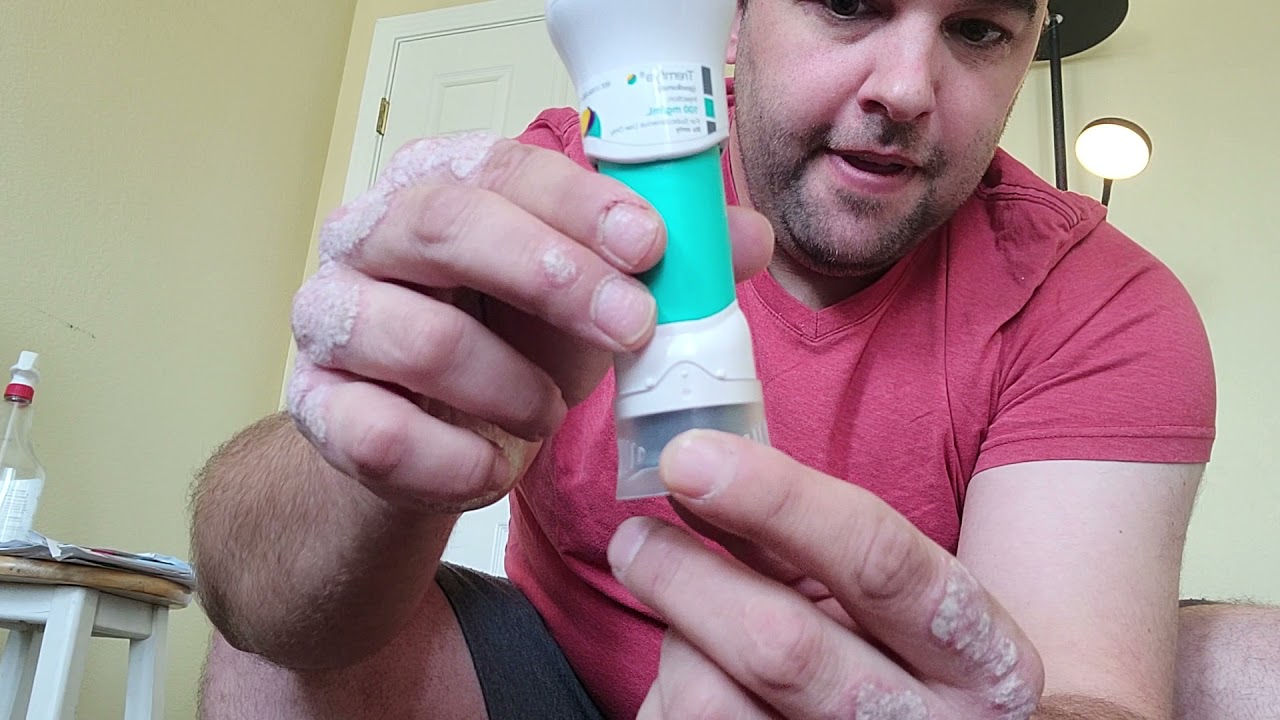
O que é o TREMFYA ou o Guselkumab?
Conheça agora uma das medicações mais modernas e eficazes contra a psoríase. É o Guselkumab, eficaz também no tratamento da artrite psoriásica. Um medicamento com grande eficácia e poucos efeitos colaterais.
Clique, assista ao vídeo e não esqueça de se inscrever no nosso canal!
Dr Wagner Galvão
CRM: 116.138
Contatos:
(11) 3231-1142
(11) 3231-1143
(11) 99907-0642
[email protected]
Mídias digitais:
Instagram: imunodermato
Facebook: Dr Wagner Galvão
Site: http://clinicaproderma.com.br/
#psoríase #tremfya #Guselkumab #dermatosãopaulo #dermatologiaclinica #dermatologiacirúrgica #dermatowagnergalvao#dermatosãopaulo #dermatologiaclinica #dermatologiacirúrgica #dermatowagnergalvao

In partnership with @theSkimm, we tapped board-certified dermatologist, Dr. April Armstrong, to break down the symptoms of moderate to severe plaque psoriasis and clear up some misconceptions about the chronic condition.
In consideration of the time Dr. Armstrong spent, an honorarium was provided by Johnson & Johnson.
© Johnson & Johnson and its affiliates 2025 05/25 cp-518197v1
TREMFYA® is not for everyone; only your healthcare provider can decide if it’s right for you. Do not use if you are allergic to TREMFYA®. TREMFYA® is a prescription medicine that may cause serious side effects, including serious allergic reactions, infections, and liver problems. TREMFYA® affects your immune system. It may increase your risk of infections and lower your ability to fight them. Please read the Important Safety Information and the Medication Guide for TREMFYA® in the links below to learn more about these and other risks for TREMFYA®. Discuss any questions you have with your healthcare provider.
Important Safety Information: https://www.tremfya.com/import....ant-safety-informati
Medication Guide: https://www.janssenlabels.com/....package-insert/produ



Author video for 'Safety of Guselkumab Treatment for up to 5 Years in Patients With Moderate-to-Severe Psoriasis: Pooled Analyses Across Seven Clinical Trials With Greater Than 8600 Patient-Years of Exposure'
Full article: https://doi.org/10.1093/bjd/ljad115
Stelara is an injectable prescription medication and is considered a specialty medication due to it's high cost. It can be used for four different indications.
This is part of my 101 series where I cover the basics of Stelara including uses, side effects, dosing and - at the end of the video - I cover options you have to deal with the high cost.
=========================
FREE Report: 30 Days To Better Health
https://curtis-alexander.com/

#medicalknowledgeonline ,
Drug class,
Brand Names,
What is TREMFYA? ,
Vital information,
Before taking this medicine (Precautions ),
How to use ,
Dosing information
Miss a dose, Overdose ,
Stop or Avoid Taking ,
Side Effects,
Other Drugs Will Affect,
#medicalknowledgeonline
TOPICS
1. ANATOMY – Topics
https://www.youtube.com/playli....st?list=PLpHbgG-0bk1
2. PHYSIOLOGY – Topics
https://www.youtube.com/playli....st?list=PLpHbgG-0bk1
3. DISEASES – Topics
https://www.youtube.com/playli....st?list=PLpHbgG-0bk1
4. PUBLIC HEALTH- Topics
https://www.youtube.com/playli....st?list=PLpHbgG-0bk1
5. Rx – Topics
https://www.youtube.com/playli....st?list=PLpHbgG-0bk1
6. LABORATORY TEST – Topics
https://www.youtube.com/playli....st?list=PLpHbgG-0bk1
7. MEDICAL IMAGING – Topics
https://www.youtube.com/playli....st?list=PLpHbgG-0bk1
8. SURGICAL AND MEDICAL PROCEDURES – topics
https://www.youtube.com/playli....st?list=PLpHbgG-0bk1
9. MICROBIOLOGY – Topics
https://www.youtube.com/playli....st?list=PLpHbgG-0bk1
10. BIOCHEMISTRY – Topics
https://www.youtube.com/playli....st?list=PLpHbgG-0bk1
11. NUTRITION – Topics
https://www.youtube.com/playli....st?list=PLpHbgG-0bk1
12. HEALTH TOPICS
https://www.youtube.com/playli....st?list=PLpHbgG-0bk1
13. MEDICAL & SURGICAL – Topics
https://www.youtube.com/playli....st?list=PLpHbgG-0bk1
14. PAEDIATRICS / CHILD HEALTH – Topics
https://www.youtube.com/playli....st?list=PLpHbgG-0bk1
15. MENTAL HEALTH – Topics
https://www.youtube.com/playli....st?list=PLpHbgG-0bk1
16. MATERNAL HEALTH – Topics
https://www.youtube.com/playli....st?list=PLpHbgG-0bk1
17. COMMUNITY HEALTH – Topics
https://www.youtube.com/playli....st?list=PLpHbgG-0bk1
18. NURSING FOUNDATION – Topics
https://www.youtube.com/playli....st?list=PLpHbgG-0bk1
19. BIOSTATISTICS – Topics
https://www.youtube.com/playli....st?list=PLpHbgG-0bk1
20. PATHOLOGY – TOPICS
https://www.youtube.com/playli....st?list=PLpHbgG-0bk1
21. NURSING EDUCATION – Topics
https://www.youtube.com/playli....st?list=PLpHbgG-0bk1
22. HOSPITAL MANAGEMENT AND HEALTH CARE ADMINISTRATION – Topics
https://www.youtube.com/playli....st?list=PLpHbgG-0bk1
23. NURSING RESEARCH – TOPICS
https://www.youtube.com/playli....st?list=PLpHbgG-0bk1
24. NURSING FOUNDATION – Topics
https://www.youtube.com/playli....st?list=PLpHbgG-0bk1
25. PHARMACOLOGY – TOPICS
https://www.youtube.com/playli....st?list=PLpHbgG-0bk1
26. PUBLIC HEALTH – Topics
https://www.youtube.com/playli....st?list=PLpHbgG-0bk1
27. INTERNATIONAL DAYS
https://www.youtube.com/playli....st?list=PLpHbgG-0bk1
28. NURSING - TOPICS
https://www.youtube.com/playli....st?list=PLpHbgG-0bk1
#medicalknowledgeonline

Watch to learn more about the Important Safety Information for TREMFYA® (guselkumab). Individual results may vary.
TREMFYA® is a prescription medicine used to treat adults with moderate to severe plaque psoriasis who may benefit from taking injections or pills (systemic therapy) or phototherapy (treatment using ultraviolet or UV light).
TREMFYA® is a prescription medicine used to treat adults with active psoriatic arthritis.
TREMFYA® is a prescription medicine used to treat adults with moderately to severely active ulcerative colitis.
TREMFYA® is a prescription medicine used to treat adults with moderately to severely active Crohn's disease.
TREMFYA® is not for everyone; only your healthcare provider can decide if it's right for you. Do not use if you are allergic to TREMFYA®. TREMFYA® is a prescription medicine that may cause serious side effects, including serious allergic reactions, infections, and liver problems. TREMFYA® affects your immune system. It may increase your risk of infections and lower your ability to fight them. Please read the Important Safety Information in the links below and the Medication Guide for TREMFYA® to learn more about these and other risks for TREMFYA®. Discuss any questions you have with your healthcare provider.
Important Safety Information: https://www.tremfya.com/import....ant-safety-informati
Medication Guide: https://www.janssenlabels.com/....package-insert/produ
© Johnson & Johnson and its affiliates 2025 06/25 cp-517978v1