- Ozempic
- Mounjaro
- Wegovy
- Semaglutide
- Retinol
- Finasteride
- Metformin
- Wellbutrin
- Melatonin
- Ashwagandha
- Lexapro
- Sertraline
- Creatine
- Prozac
- Fluoxetine
- Pregabalin
- Spironolactone
- Amlodipine
- Trazodone
- Akathisia
- Steroids
- Prednisone
- Doxycycline
- Tramadol
- Lisinopril
- Losartan
- Amoxicillin
- Androgenic
- Azithromycin
- Zoloft
- Statin
- Atorvastatin
- Acetylcysteine
- Adderall
- Alprazolam
- Amitriptyline
- Augmentin
- Cetirizine
- Cipro
- Clonazepam
- Clotrimazole
- Diazepam
- Fentanyl
- Gabapentin
- Hydroxyzine
- Ibuprofen
- Ivermectin
- Lorazepam
- Magnesium
- Meloxicam
- Metoprolol
- Metronidazole
- Mirtazapine
- Naproxen
- Omega 3
- Omeprazole
- Ondansetron
- Paracetamol
- Propranolol
- Quetiapine
- Sildenafil
- Tamsulosin
- Tirzepatide
- Tylenol
- Viagra
- Vitamin B12
- Vitamin C
- Vitamin D
- Xanax
- Acetaminophen
- Acyclovir
- Advil
- Albendazole
- Albuterol
- Alendronate
- Alfuzosin
- Allopurinol
- Amantadine
- Ambien
- Ambroxol
- Amiodarone
- Ampicillin
- Anastrozole
- Apixaban
- Aripiprazole
- Ascorbic Acid
- Aspirin
- Atarax
- Atenolol
- Ativan
- Atomoxetine
- Azelastine
- Bacitracin
- Baclofen
- Bactrim
- Bactroban
- Benadryl
- Bentyl
- Benzonatate
- Benztropine
- Betadine
- Betamethasone
- Biktarvy
- Biotin
- Bisacodyl
- Bisoprolol
- Botox
- Brilinta
- Budesonide
- Glycopyrrolate
- Bumetanide
- Buprenorphine
- Bupropion
- Buspar
- Buspirone
- Calcitriol
- Candesartan
- Captopril
- Carbamazepine
- Carvedilol
- Cefdinir
- Cefixime
- Ceftriaxone
- Cefuroxime
- Celebrex
- Celexa
- Cephalexin
- Chlorpheniramine
- Chlorthalidone
- Cholecalciferol
- Cialis
- Cilostazol
- Citalopram
- Claritin
- Clindamycin
- Clobetasol
- Clonidine
- Clopidogrel
- Clozapine
- Codeine
- Colace
- Colchicine
- Concerta
- Cosentyx
- Crestor
- Cyanocobalamin
- Cyclobenzaprine
- Cymbalta
- Dabigatran
- Dapagliflozin
- Decadron
- Denosumab
- Depakote
- Desloratadine
- Desvenlafaxine
- Dexamethasone
- Dexilant
- Dextroamphetamine
- Dextromethorphan
- Dextrose
- Dicyclomine
- Diflucan
- Digoxin
- Dilaudid
- Diltiazem
- Diphenhydramine
- Divalproex
- Docusate Sodium
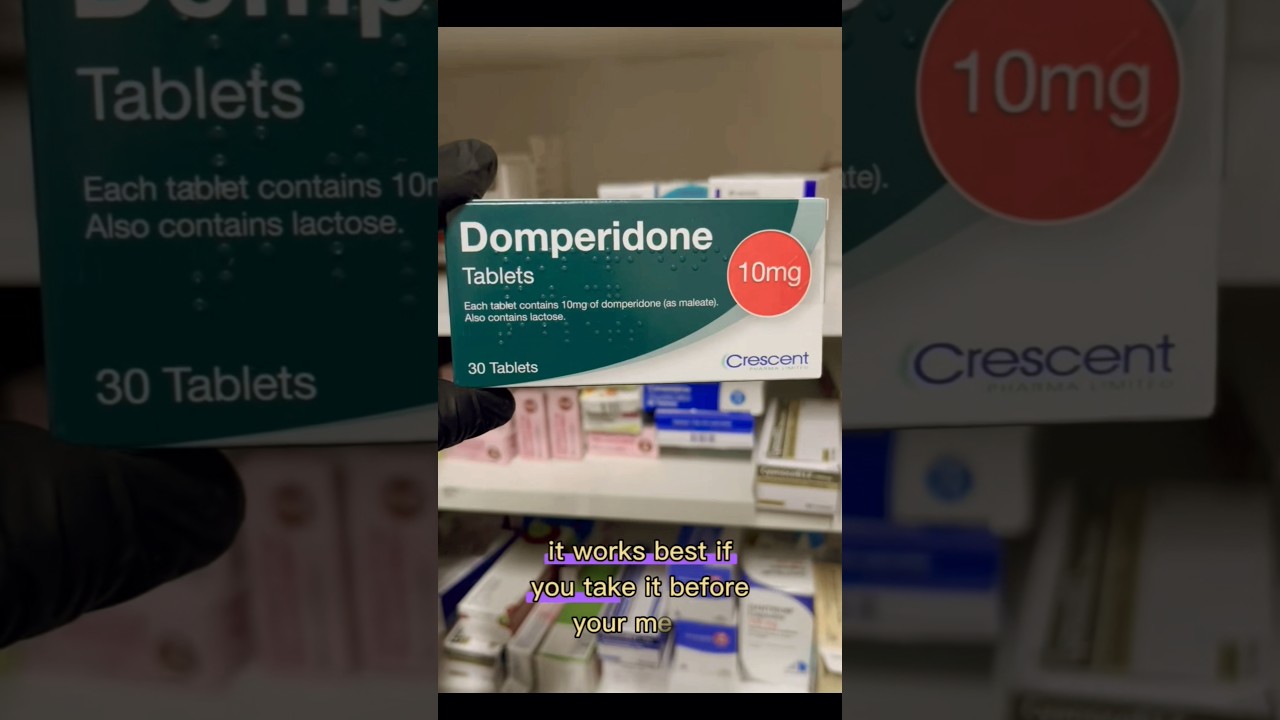
- Domperidone
- Donepezil
- Dopamine
- Doxazosin
- Doxepin
- Doxycycline Hyclate
- Doxylamine
- Dulcolax
- Duloxetine
- Dupixent
- Dutasteride
- Echinacea
- Effexor
- Eliquis
- Empagliflozin
- Enalapril
- Epinephrine
- Epipen
- Erythromycin
- Escitalopram
- Esomeprazole
- Estradiol
- Euthyrox
- Excedrin
- Ezetimibe
- Famotidine
- Farxiga
- Febuxostat
- Fenofibrate
- Ferrous Sulfate
- Fexofenadine
- Fish Oil
- Flagyl
- Flecainide
- Flexeril
- Flomax
- Flonase
- Fluticasone
- Fluvoxamine
- Folic Acid
- Formoterol
- Fosamax
- Fosfomycin
- Furosemide
- Gardasil 9
- Garlic
- Gas X
- Gaviscon
- Gentamicin
- Ginkgo Biloba
- Ginseng
- Glimepiride
- Glipizide
- Glucagon
- Glucophage
- Glucosamine
- Glutathione
- Glycerin
- Griseofulvin
- Guaifenesin
- Guanfacine
- Haldol
- Haloperidol
- Heparin
- Hibiclens
- Humira
- Hydralazine
- Hydrea
- Hydrochlorothiazide
- Hydrocodone
- Hydrocortisone
- Hydromorphone
- Hydroxyurea
- Hyoscyamine
- Imiquimod
- Imodium
- Indapamide
- Inderal
- Indomethacin
- Infliximab
- Irbesartan
- Isosorbide
- Isosorbide Mononitrate
- Isotretinoin
- Itraconazole
- Ivabradine
- Janumet
- Januvia
- Japanese Knotweed
- Jardiance
- Kava
- Keflex
- Kenalog
- Keppra
- Ketoconazole
- Ketoconazole Shampoo
- Ketoprofen
- Ketorolac
- Keytruda
- Klonopin
- Labetalol
- Lacosamide
- Lactulose
- Lamictal
- Lamotrigine
- Lansoprazole
- Lantus
- Lasix
- Latanoprost
- Latuda
- Leflunomide
- Letrozole
- Levetiracetam
- Levocetirizine
- Levofloxacin
- Levothyroxine
- Lidocaine
- Linezolid
- Linzess
- Lipitor
- Liraglutide
- Lisdexamfetamine
- Lithium
- Lokelma
- Lomotil
- Loperamide
- Loratadine
- Lovenox
- Lyrica
- Macrobid
- Magnesium Citrate
- Magnesium Oxide
- Meclizine
- Medrol
- Mefenamic Acid
- Memantine
- Meropenem
- Metamucil
- Methadone
- Methimazole
- Methocarbamol
- Methotrexate
- Methylphenidate
- Methylprednisolone
- Metoclopramide
- Metoprolol Succinate
- Midazolam
- Midodrine
- Mirabegron
- Miralax
- Mobic
- Modafinil
- Montelukast
- Morphine
- Motrin
- Moxifloxacin
- Mucinex
- Mupirocin
- Nac
- Naloxone
- Naltrexone
- Narcan
- Nebivolol
- Neomycin
- Neosporin
- Neurontin
- Nexium
- Nexplanon
- Niacin
- Nifedipine
- Nitrofurantoin
- Nitroglycerin
- Norco
- Norepinephrine
- Norethindrone
- Nortriptyline
- Norvasc
- Octreotide
- Ofloxacin
- Olanzapine
- Olmesartan
- Orlistat
- Oseltamivir
- Oxazepam
- Oxcarbazepine
- Oxybutynin
- Oxycodone
- Oxycontin
- Oxygen
- Paroxetine
- Paxil
- Paxlovid
- Pepcid
- Percocet
- Phenazopyridine
- Phenergan
- Phenobarbital
- Phentermine
- Phenylephrine
- Phenytoin
- Pioglitazone
- Plan B
- Plaquenil
- Plavix
- Potassium Chloride
- Pradaxa
- Pravastatin
- Prazosin
- Prednisolone
- Prilosec
- Pristiq
- Prochlorperazine
- Progesterone
- Prolia
- Promethazine
- Propofol
- Protonix
- Pseudoephedrine
- Psyllium
- Pyridium
- Quercetin
- Quinine
- Rabeprazole
- Ramipril
- Ranitidine
- Ranolazine
- Reglan
- Remeron
- Repatha
- Rexulti
- Rifaximin
- Rinvoq
- Risperdal
- Risperidone
- Ritalin
- Rituximab
- Rivaroxaban
- Rizatriptan
- Robaxin
- Rocephin
- Rosuvastatin
- Rybelsus
- Salbutamol
- Scopolamine
- Senna
- Senokot
- Seroquel
- Simvastatin
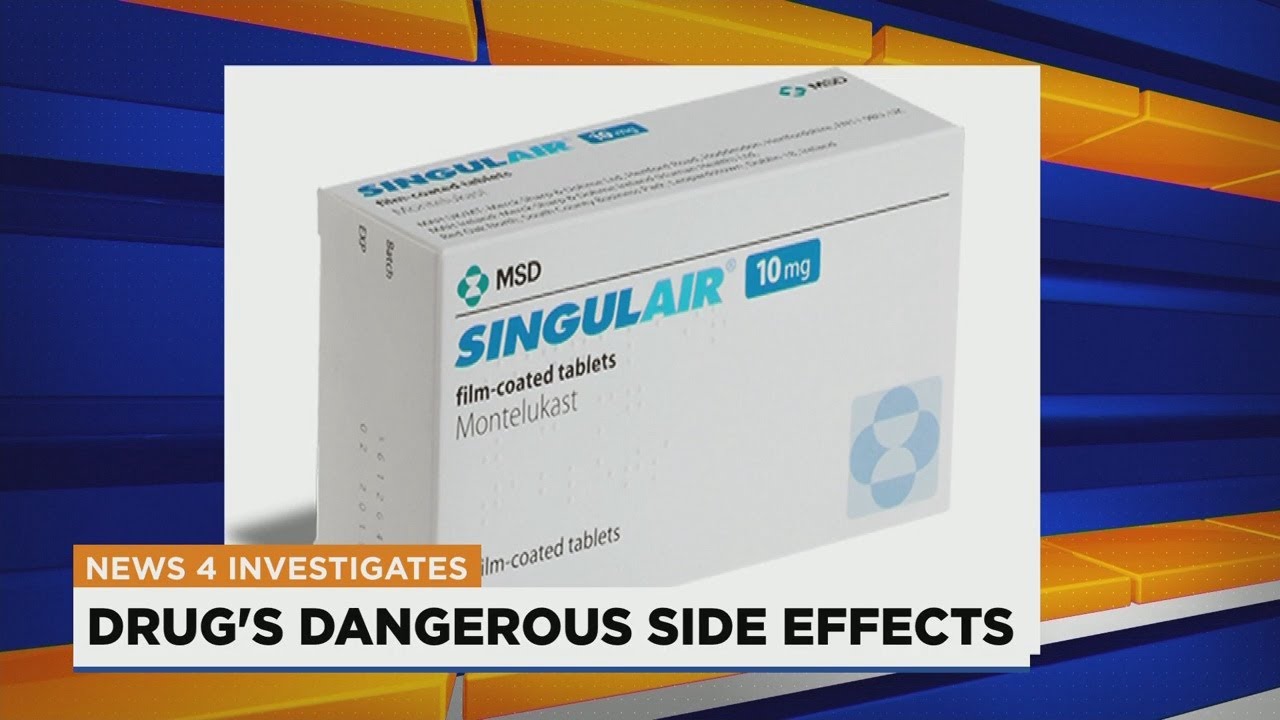
- Singulair
- Sitagliptin
- Skyrizi
- Sodium Bicarbonate
- Sodium Chloride
- Solifenacin
- Soma
- Sotalol
- Spiriva
- Strattera
- Suboxone
- Sucralfate
- Sudafed
- Sulfasalazine
- Sumatriptan
- Symbicort
- Synthroid
- Tacrolimus
- Tadalafil
- Tamiflu
- Tamoxifen
- Tegretol
- Telmisartan
- Temazepam
- Tetracycline
- Thiamine
- Ticagrelor
- Tizanidine
- Topamax
- Topiramate
- Toradol
- Torsemide
- Tranexamic Acid
- Tremfya
- Tresiba
- Tretinoin
- Triamcinolone
- Triamcinolone Acetonide
- Trileptal
- Trimethoprim
- Trintellix
- Trulicity
- Ubrelvy
- Ultracet
- Unisom
- Urea
- Urea Cream
- Urso
- Ursodiol
- Valacyclovir
- Valium
- Valsartan
- Valtrex
- Vancomycin
- Varenicline
- Venlafaxine
- Ventolin
- Veozah
- Verapamil
- Vicodin
- Victoza
- Vistaril
- Vitamin B6
- Vitamin D3
- Vitamin E
- Vraylar
- Vyvanse
- Warfarin
- Witch Hazel
- Wormwood
- Xarelto
- Xenical
- Xifaxan
- Xolair
- Xylitol
- Xyzal
- Yarrow
- Yasmin
- Yaz
- Yellow Fever Vaccine
- Zantac
- Zepbound
- Zetia
- Zinc
- Zithromax
- Zofran
- Zoladex
- Zolpidem
- Zopiclone
- Zovirax
- Zyprexa
- Zyrtec
- Hydroxytryptophan
- Serious
- Other
Dangerous Side Effects


Dr. Jen Ashton shares that the over consumption of iron supplements can be dangerous and should be discussed with a doctor prior to use.
SUBSCRIBE to GMA's YouTube page: https://bit.ly/2Zq0dU5
VISIT the GMA3 homepage: https://bit.ly/3kNlst8
FOLLOW GMA3: Facebook: https://www.facebook.com/abcgma3
X: https://twitter.com/abcgma3
Instagram: https://instagram.com/abcgma3


Download My FREE guide: First Signs of a Nutrient Deficiency 👉 https://drbrg.co/3Xodv0W
SIBO is very common and can create nutritional deficiencies that damage your health.
0:00 SIBO can steal your nutrients and damage your health
1:17 I explain what causes SIBO
2:03 And here’s what you can do about it
In this video, I explain how SIBO can steal your nutrients and, as a result, damage your health.
SIBO stands for small intestine bacterial overgrowth. Here’s what happens: normally, your friendly bacteria live in your large intestine. But if they migrate to your small intestine, the microbes start fermenting your carbohydrates and eating your nutrients — especially B12, iron, and bile.
Bloating, abdominal pain and gas are some of the side effects, but the most consequential one is nutritional deficiencies. When you’re deficient in B12, you could have serious neurological issues, shooting, stabbing pain, and anemia among other symptoms. An iron deficiency will also cause anemia as well as fatigue. And if you’re too low in bile, you can’t digest fats thus you’re unable to extract fat-soluble vitamins such as vitamin A, vitamin D, and vitamin E as well as vitamin K and essential fatty acids.
SIBO can develop because of many things. One is if your digestive system was surgically altered, allowing the bacteria to go into the small intestine. Or it can occur if you don’t have enough stomach acid to kill off microbes, which arrive with your food then can pass through to the small intestine.
Here’s what you can do if you have SIBO:
● Increase your stomach acid. Start by taking betaine hydrochloride, in pill form. Take at least five before each meal.
● Take apple cider vinegar regularly. You can get pills that combine betaine hydrochloride with apple cider vinegar.
● Do intermittent fasting to give your digestive system a chance to reset and clean itself out. When you fast, your food tends to be washed into the large intestine by the hair-like cilia in your bowel. I believe you can never fully handle SIBO unless you do intermittent fasting.
● Avoid prebiotics; that is, fiber, for at least a month to six weeks. Yes, I include not eating vegetables in this recommendation. Microbes will ferment the fiber.
● Avoid probiotics too, as part of keeping down your microbe numbers. And definitely don’t take products that combine pre-and probiotics!
● Take an herbal antibiotic such as oregano, thyme, or cloves to create an antimicrobial environment.
SIBO is way more common than you may know; and, one of the major problems with it is the nutritional deficiencies it can create, which will damage your health.
Dr. Eric Berg DC Bio:
Dr. Berg, age 55, is a chiropractor who specializes in Healthy Ketosis & Intermittent Fasting. He is the author of the best-selling book The Healthy Keto Plan and is the Director of Dr. Berg Nutritionals. He no longer practices but focuses on health education through social media.
Follow us on FACEBOOK: fb.me/DrEricBerg
ABOUT DR. BERG: https://bit.ly/39LCWg8
Disclaimer: Dr. Eric Berg received his Doctor of Chiropractic degree from Palmer College of Chiropractic in 1988. His use of “doctor” or “Dr.” in relation to himself solely refers to that degree. Dr. Berg is a licensed chiropractor in Virginia, California, and Louisiana, but he no longer practices chiropractic in any state and does not see patients so he can focus on educating people as a full-time activity, yet he maintains an active license. This video is for general informational purposes only. It should not be used to self-diagnose and it is not a substitute for a medical exam, cure, treatment, diagnosis, and prescription or recommendation. It does not create a doctor-patient relationship between Dr. Berg and you. You should not make any change in your health regimen or diet before first consulting a physician and obtaining a medical exam, diagnosis, and recommendation. Always seek the advice of a physician or other qualified health provider with any questions you may have regarding a medical condition. The Health & Wellness, Dr. Berg Nutritionals, and Dr. Eric Berg, D.C. are not liable or responsible for any advice, course of treatment, diagnosis, or any other information, services, or product you obtain through this video or site.
Thanks for watching!
If you have SIBO, you could develop harmful nutritional deficiencies.



Is Carisoprodol (Soma) An Effective Muscle Relaxant? In this informative video, we will discuss Carisoprodol, commonly known as Soma, and its role as a muscle relaxant. We will cover its primary use in relieving discomfort from acute musculoskeletal conditions, particularly in cases involving muscle spasms and pain. The video will explain how Carisoprodol works by affecting nerve activity in the spinal cord, leading to muscle relaxation.
We will also touch on the speed at which Carisoprodol takes effect and the importance of understanding its mechanism, specifically the role of its metabolite, Meprobamate. Additionally, we will highlight the classification of Carisoprodol as a controlled substance and the reasons behind this classification, including its potential for abuse and dependence.
Short-term management of muscle spasms and pain will be discussed, along with the associated risks of long-term use, such as side effects and the importance of medical supervision. If you are considering Carisoprodol for muscle pain relief, this video will provide essential information to help you make an informed decision.
Join us for this discussion, and subscribe to our channel for more helpful information on medications and their effects.
⬇️ Subscribe to our channel for more valuable insights.
🔗Subscribe: https://www.youtube.com/@Pharm....aceutical-Insights/?
#Carisoprodol #Soma #MuscleRelaxants #PainRelief #MuscleSpasms #Healthcare #MedicationSafety #Pharmaceuticals #AcutePain #ControlledSubstances #Meprobamate #ShortTermUse #MedicalAdvice #DrugInformation #PainManagement
About Us: Welcome to Pharmaceutical Insights! Our channel is dedicated to providing clear and informative content on a variety of topics related to pharmaceutical drugs, prescription medications, over-the-counter medicines, drug side effects, and medication safety. We also discuss medical treatments, alternative medicine, and pain management drugs, ensuring you have access to the information you need to make informed health decisions. The content provided is for general informational and educational purposes only. It is not intended to substitute for professional medical advice, diagnosis, or treatment. Never disregard professional medical advice or delay seeking it because of something you have seen in this content. Never rely on this information in place of consulting with qualified healthcare professionals. The creators and distributors of this content are not responsible for any adverse effects or consequences resulting from the use of any suggestions, preparations, or procedures described in this material. Always consult with your healthcare provider before starting any new health-related practice or program.
![Griseofulvin [Med-School Lecture Series]](https://i.ytimg.com/vi/BxWfST3VuKE/maxresdefault.jpg)
In this lecture, we discuss the mechanism of action, indications, and adverse effects of the commonly used anti-dermatophytes medication, Griseofulvin.
Support the Channel:
Please be sure to subscribe and click on the bell icon to receive notifications when new lectures are uploaded.
Patreon: https://www.patreon.com/MDFastTrack



Are there any long term effects of taking GERD medications?
With the use of PPIs and H2 blockers, typically a 2 week course is what is recommended. Certainly by the FDA in terms of treatment for GERD symptoms and then stopping that. Most of these medications now have become over-the-counter. So that is the regimen that would typically be recommended on these over-the-counter PPIs or H2 blockers - is a 2 week treatment & then coming off of them to see if the GERD symptoms have resolved. If they have not resolved, typically, that would then require a patient to be under a doctor's treatment for a prolonged treatment with these medications.
There certainly are risks with taking these medications long term. Women are more at risk for developing things like osteoporosis, because calcium absorption can be affected by that. There's a little bit of a higher risk of developing things like infection, especially lung infections. And there are some concerns about developing the risk of other cancers long term as well.
It's an individual treatment plan for each patient with the physician. But that should really be under a physician's care.
Dr. Joshua T. Taylor, MD, FACS is a board certified general surgeon who specializes in advanced robotic surgery for thyroid disease, GERD symptoms, hernias and more. Learn more about Dr. Taylor with TSC Rutherford in Smyrna, TN at The Surgical Clinic by visiting https://thesurgicalclinics.com/tsc-rutherford/.


The next class of drugs is antitussives, and these are intended to halt the cough reflex. Tussis, or coughing, is a complex physiological response to irritants in the airways, and certain drugs seek to dampen this response when harmful to a patient. Let's discuss the pathways responsible for tussis, and the types of drugs that can interact with these pathways and inhibit them, such as codeine, dextromethorphan, and Tessalon.
Script by Michael Keith
Watch the whole Pharmacology playlist: http://bit.ly/ProfDavePharma
General Chemistry Tutorials: http://bit.ly/ProfDaveGenChem
Organic Chemistry Tutorials: http://bit.ly/ProfDaveOrgChem
Biochemistry Tutorials: http://bit.ly/ProfDaveBiochem
Biology/Genetics Tutorials: http://bit.ly/ProfDaveBio
Anatomy & Physiology Tutorials: http://bit.ly/ProfDaveAnatPhys
Biopsychology Tutorials: http://bit.ly/ProfDaveBiopsych
Microbiology/Infectious Diseases Tutorials: http://bit.ly/ProfDaveMicrobio
History of Drugs Videos: http://bit.ly/ProfDaveHistoryDrugs
Immunology Tutorials: http://bit.ly/ProfDaveImmuno
EMAIL► [email protected]
PATREON► http://patreon.com/ProfessorDaveExplains
Check out "Is This Wi-Fi Organic?", my book on disarming pseudoscience!
Amazon: https://amzn.to/2HtNpVH
Bookshop: https://bit.ly/39cKADM
Barnes and Noble: https://bit.ly/3pUjmrn
Book Depository: http://bit.ly/3aOVDlT

Udgrace 300mg Tablet | Uses, Side Effects, Dosage, Review
Udgrace 300mg Tablet is a vital medication used in managing gallstones, primary biliary cirrhosis, and liver diseases related to cystic fibrosis in children aged 6 to 18 years. It contains ursodeoxycholic acid, which helps improve liver function by detoxifying it and enhancing bile flow. This medication is particularly effective in dissolving cholesterol gallstones and ensuring liver health. Common side effects may include soft, loose stools and diarrhea. It is essential to take this tablet under strict medical supervision, as it may not be suitable for individuals with certain conditions like allergies to bile acids or calcified gallstones. Pregnant and breastfeeding women should also consult a doctor before use. Regular monitoring is necessary for those with liver diseases, as well as for children and elderly patients. Your healthcare provider will determine the appropriate dosage and duration of therapy to ensure safe and effective treatment.
🛒 Purchase link: https://www.amazon.in/dp/B09Y99FY2R?&tag=medicinesexplained-21
🚀 Make sure to LIKE 👍, SHARE 🔄 & SUBSCRIBE 🔔 for more videos!
---
🔹 Video Chapters 🔹
⚠️ 0:00 – Disclaimer
⏳ 0:15 – Udgrace 300mg Tablet Introduction
💊 00:27 – Uses and Medical Indications
🧪 00:49 – How Udgrace 300mg Tablet Works
📏 01:01 – Dosage & Directions
⚠️ 01:32 – Common Side Effects
🛑 01:44 – Precautions, Warnings, and Safety Tips
❓ 02:03 – FAQs
🎯 02:36 – Final Thoughts
---
🔹 What is Udgrace 300mg Tablet used for?
🔹 How should I take Udgrace 300mg Tablet?
🔹 What are the common side effects?
🔹 Who should avoid this medicine?
🔹 Can I take Udgrace 300mg Tablet during pregnancy?
🔹 Is Udgrace 300mg Tablet safe for long-term use?
🔹 Can I take this with other medications?
---
🔹 Amazon Affiliate Disclosure: Medicines Explained is a participant in the Amazon Services LLC Associates Program, an affiliate advertising program designed to provide a means for sites to earn advertising fees by advertising and linking to Amazon LLC owned websites.
📢 Video Link: https://youtu.be/icgf5l7bd1I
📺 Channel Link: https://www.youtube.com/@MedicinesExplained
---
⚠️ Disclaimer: This video provides information from the internet, and we do not promote any products or medicines. Always consult a doctor before using any medication. We are not responsible for any side effects or issues resulting from self-medication.
💬 Have any suggestions or questions? Drop a comment below!

What Is Gentamicin Eye Drops Used For? In this informative video, we will cover everything you need to know about gentamicin eye drops. These antibiotic drops are specifically formulated to combat bacterial infections affecting the eyes and the surrounding skin. We will discuss the conditions that gentamicin eye drops can treat, including conjunctivitis and blepharitis, and explain how they work to eliminate harmful bacteria.
Additionally, we will guide you through the proper application techniques for both the drops and ointment forms, ensuring you understand how to use them effectively. Adhering to your healthcare provider's instructions is vital for achieving the best results, and we will highlight the importance of completing the full course of treatment.
It's also essential to be aware of potential side effects, which can range from mild irritation to more serious allergic reactions. We will provide information on what to watch for and when to seek medical advice.
Whether you're dealing with an eye infection or simply looking to expand your knowledge about eye care, this video is designed to provide helpful information. Don't forget to subscribe to our channel for more content focused on eye health and optometry!
⬇️ Subscribe to our channel for more valuable insights.
🔗Subscribe: https://www.youtube.com/@Optom....etryKnowledgeBase/?s
#Gentamicin #EyeDrops #EyeInfection #Conjunctivitis #Blepharitis #EyeCare #Optometry #Antibiotics #HealthTips #EyeHealth #Ophthalmology #Medication #AllergicReactions #VisionCare #EyeTreatment
About Us: Welcome to Optometry Knowledge Base, your go-to resource for all things related to optometry! Our channel is dedicated to providing in-depth insights into eye health, vision care, and the latest advancements in the field of optometry. Whether you're a student looking to deepen your understanding, a practicing optometrist seeking to stay updated, or simply someone interested in learning more about eye care, you’ll find valuable content here. The content provided is for general informational and educational purposes only. It is not intended to substitute for professional medical advice, diagnosis, or treatment. Never disregard professional medical advice or delay seeking it because of something you have seen in this content. Never rely on this information in place of consulting with qualified healthcare professionals. The creators and distributors of this content are not responsible for any adverse effects or consequences resulting from the use of any suggestions, preparations, or procedures described in this material. Always consult with your healthcare provider before starting any new health-related practice or program.

What Are The Side Effects Of Sulfamethoxazole/Trimethoprim? In this informative video, we will discuss the important aspects of sulfamethoxazole and trimethoprim, a commonly prescribed antibiotic for various bacterial infections. Understanding the potential side effects associated with this medication is essential for anyone considering its use. We will cover the common side effects that might occur, including gastrointestinal issues and skin reactions, as well as some neurological effects that may arise during treatment.
Additionally, we will highlight the serious reactions that could occur, emphasizing the importance of being aware of these risks. Specific populations, such as those with certain health conditions or allergies, need to exercise caution when using this medication. We will provide guidance on what to monitor during treatment and when to consult a healthcare provider.
Join us for this detailed discussion on sulfamethoxazole and trimethoprim, and make sure to subscribe to our channel for more helpful information on medications and health-related topics. Your health is important, and being informed can help you make better decisions regarding your treatment options.
⬇️ Subscribe to our channel for more valuable insights.
🔗Subscribe: https://www.youtube.com/@Pharm....aceutical-Insights/?
#Sulfamethoxazole #Trimethoprim #Antibiotics #SideEffects #MedicationSafety #HealthAwareness #BacterialInfections #AllergicReactions #SkinReactions #NeurologicalEffects #GastrointestinalIssues #HealthRisks #ConsultYourDoctor #PatientEducation #PharmaceuticalInsights
About Us: Welcome to Pharmaceutical Insights! Our channel is dedicated to providing clear and informative content on a variety of topics related to pharmaceutical drugs, prescription medications, over-the-counter medicines, drug side effects, and medication safety. We also discuss medical treatments, alternative medicine, and pain management drugs, ensuring you have access to the information you need to make informed health decisions. The content provided is for general informational and educational purposes only. It is not intended to substitute for professional medical advice, diagnosis, or treatment. Never disregard professional medical advice or delay seeking it because of something you have seen in this content. Never rely on this information in place of consulting with qualified healthcare professionals. The creators and distributors of this content are not responsible for any adverse effects or consequences resulting from the use of any suggestions, preparations, or procedures described in this material. Always consult with your healthcare provider before starting any new health-related practice or program.

Medpage Today: http://medpagetoday.com
Online CME - Continuing medical education: http://www.medpagetoday.com/cme/
Latest medical news: http://www.medpagetoday.com/latest/
The MedPage Today app:
iOS: https://goo.gl/JKrkHq
Android: https://play.google.com/store/....apps/details?id=com.
MedPage Today Youtube Channel: https://www.youtube.com/user/MedPageToday
Medpage Today on Facebook: https://www.facebook.com/MedPageToday